
12 beautiful villages in Zamora that you should visit
Discover 12 charming villages in Zamora: what to see in each one, their main attractions and how to plan a route to visit them.
The province of Zamora has much more to offer than you might imagine. Along its roads, you’ll discover medieval villages that seem frozen in time, settlements overlooking the River Duero, small Castilian squares, stone houses and landscapes that change completely from one area to another.
If you’re looking for beautiful villages in Zamora to visit, some destinations are worth exploring for their heritage, others for their scenery, and some for that combination of peace and quiet, gastronomy and rural life that makes you want to stay a little longer.
Puebla de Sanabria, Fermoselle and Toro are often among the first recommendations, but the province has plenty of other hidden gems worth stopping for. In this guide, I’ll introduce you to 12 charming villages and towns, explain what to see in each one and show you how to plan a route to make the most of your getaway.
You’ll also find ideas for combining several visits and discovering Zamora at your own pace, using the city as a base from which to explore the surrounding area.
What are the most beautiful villages in Zamora?
If this is your first visit, I’d start with Puebla de Sanabria, Fermoselle and Toro. These three destinations are very different from one another and offer a glimpse of some of the province’s defining features: traditional architecture, historical heritage, riverside landscapes and wine culture.
From there, it’s worth extending your route to include Villardeciervos, Benavente, Villalpando and other lesser-known places that have plenty of attractions of their own.
There is no official ranking that determines which is the most beautiful village in Zamora. The choice depends on what you’re looking for: a medieval historic centre, nature, monuments, gastronomy or a peaceful getaway away from the busiest destinations.
1. Puebla de Sanabria: one of the most charming villages in Zamora
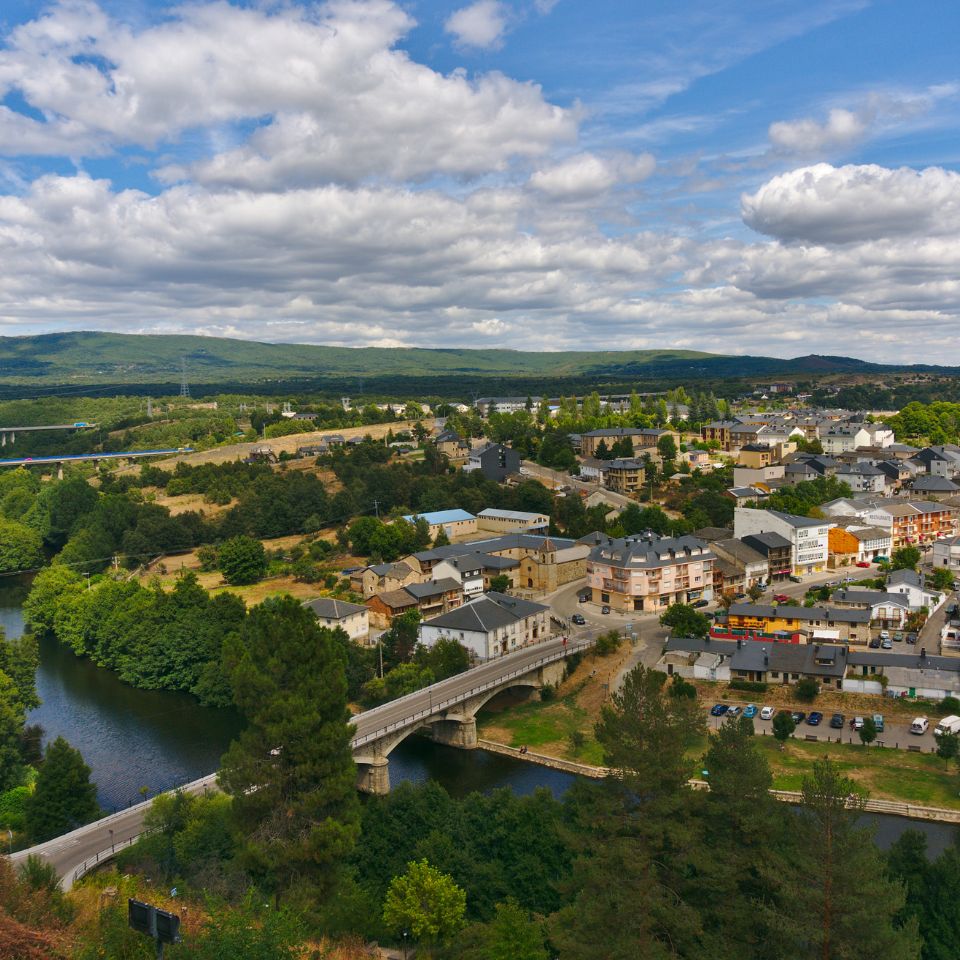
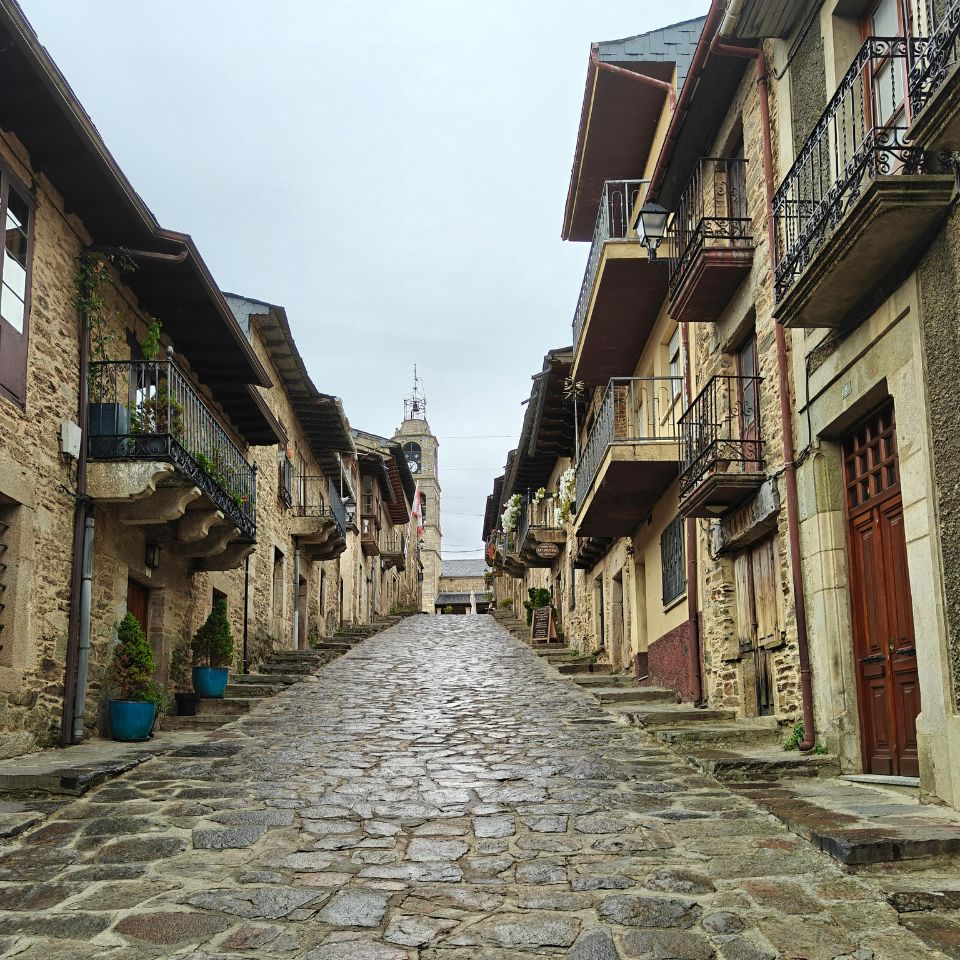
Puebla de Sanabria is one of those places well worth exploring at a leisurely pace. Located in the north-west of the province, it has a historic centre perched above the River Tera, with cobbled streets, traditional houses and a collection of historic monuments that invite you to stop and admire every corner.
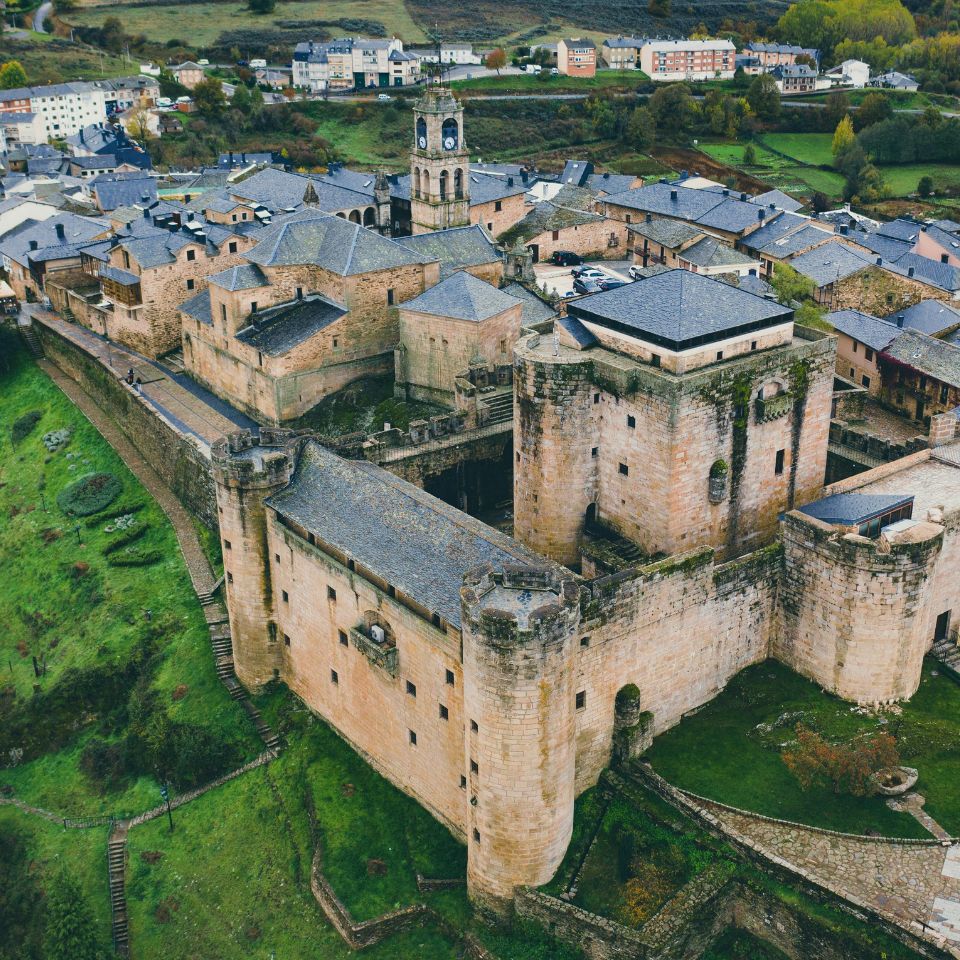
Its skyline, dominated by the castle, is one of the most recognisable sights in Zamora’s tourist landscape. If I had to recommend one village for a first short break in the province, it would be among my top choices.
What to see in Puebla de Sanabria
- Castle of the Counts of Benavente: a 15th-century fortress overlooking the historic centre, offering a glimpse into the town’s defensive past.
- Church of Santa María del Azogue: one of the most representative buildings in the old town, featuring Romanesque elements.
- Main Square and Town Hall: a great place to stop and appreciate the traditional architecture.
- Streets and stone houses: the best approach is to wander without following too rigid an itinerary, discovering the façades, balconies and little corners of the historic centre.
You can round off your visit with a trip to Sanabria Lake Natural Park, where the scenery changes from medieval streets to forests, mountains and lakeshores. It is worth setting aside more time if you also want to enjoy the natural surroundings.
How much time do you need?
Allow at least half a day to explore Puebla de Sanabria. If you want to visit the lake and follow some of the nearby walking trails, it is best to set aside a full day.
It is an especially appealing option for couples, families and travellers looking to combine heritage and nature.
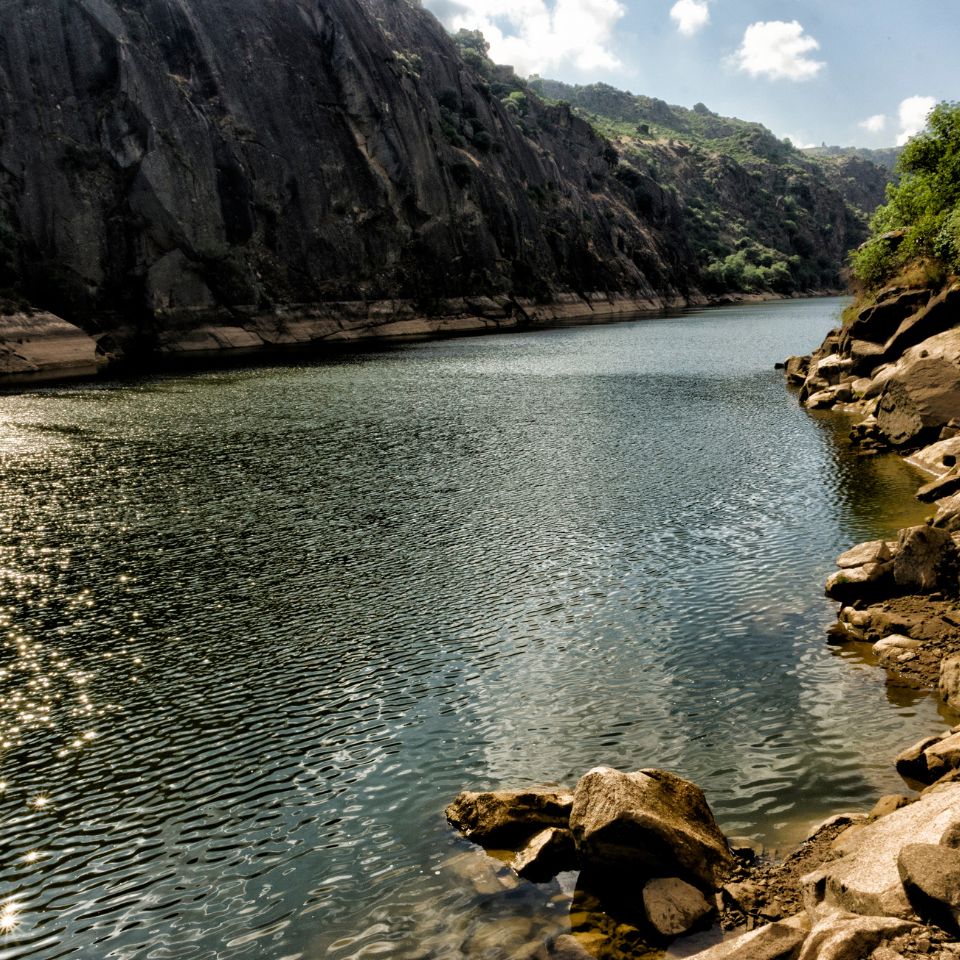
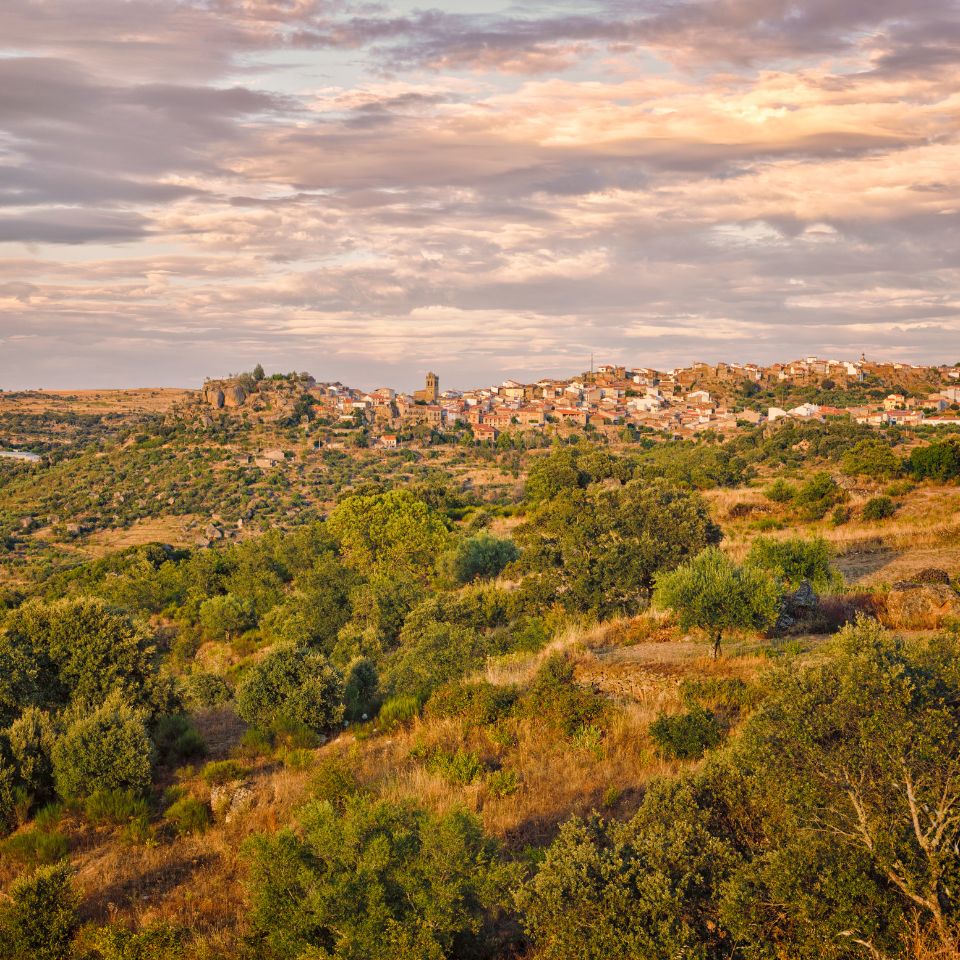
2. Fermoselle: stone streets and viewpoints overlooking the Arribes del Duero
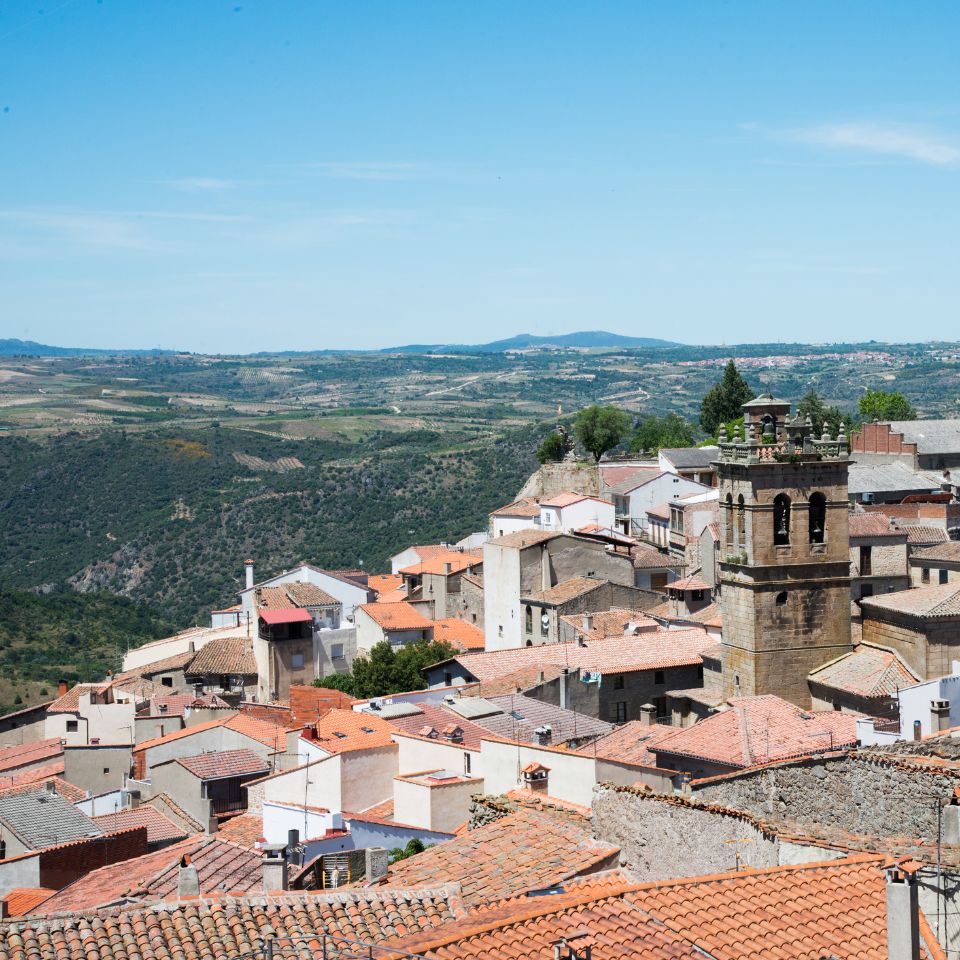
Fermoselle has a very different character from Puebla de Sanabria. In the south-west of Zamora, near the Portuguese border, the village is built around rugged, rocky terrain that accounts for much of its charm.
Its narrow streets, steep slopes and stone buildings form a network of lanes well worth exploring on foot. As you make your way through the village, you will come across spots offering views of the Arribes del Duero, one of the area's main natural attractions.
What to see in Fermoselle
- Historic centre: designated a historic-artistic site, it retains its traditional layout, with narrow streets and houses built into the rock.
- Viewpoints overlooking the Duero: these offer views of the canyons and hillsides that characterise this natural area.
- Underground wine cellars: the numerous cellars carved into the rock reflect Fermoselle's long-standing connection with wine culture.
- Surroundings of Arribes del Duero Natural Park: a great opportunity to combine a walk around the village with walking routes and opportunities to admire the scenery.
Fermoselle is an ideal destination for those who enjoy discovering places on foot and at a relaxed pace. The terrain includes hills and steep slopes, so comfortable footwear is advisable.
If you are interested in wine tourism, you can check in advance whether cellar tours are available. Not all wineries offer open access or have the same opening hours.
How much time do you need?
Allow between half a day and a full day, depending on whether you simply want to explore the village or also visit viewpoints and enjoy activities in the Arribes.
It is one of the best choices for a short break combining nature, heritage and gastronomy.
3. Toro: history, wine and viewpoints overlooking the Duero
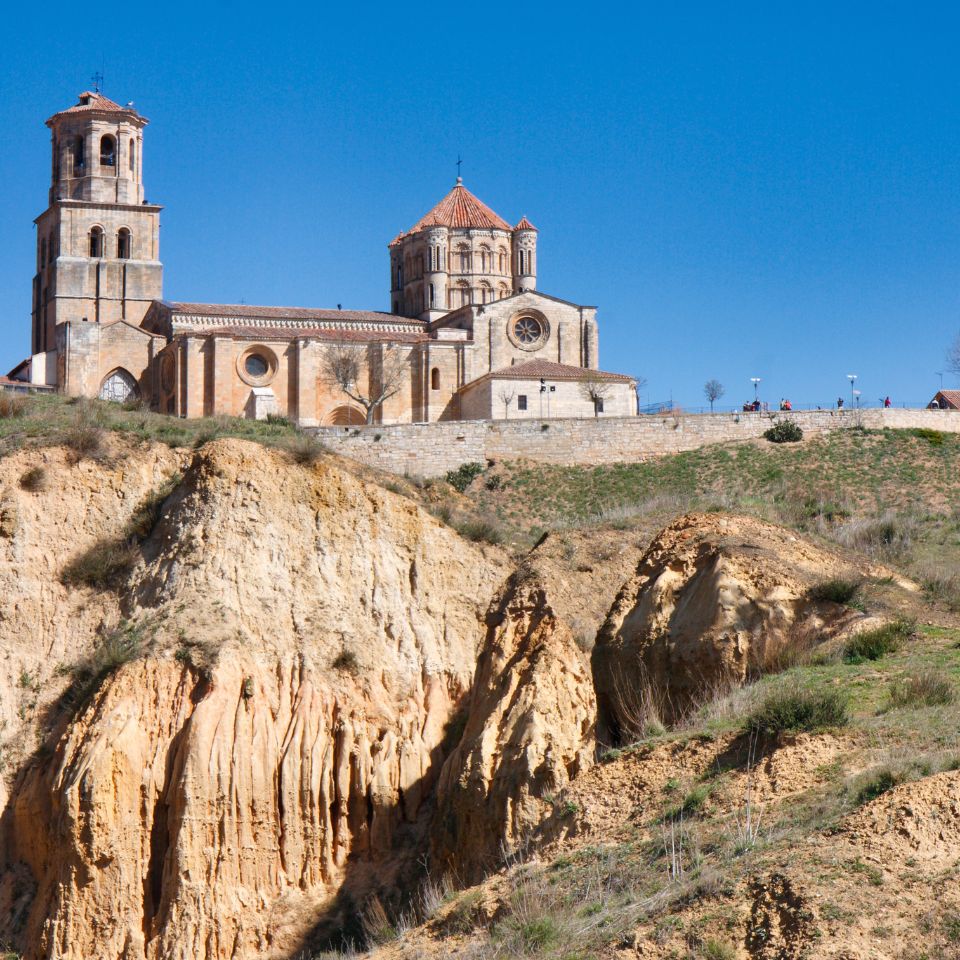
Although Toro is usually described as a historic town, it deserves a prominent place in any selection of beautiful villages in Zamora. Its monumental heritage, connection with wine and location overlooking the Duero make it one of the most rewarding places to visit in the province.
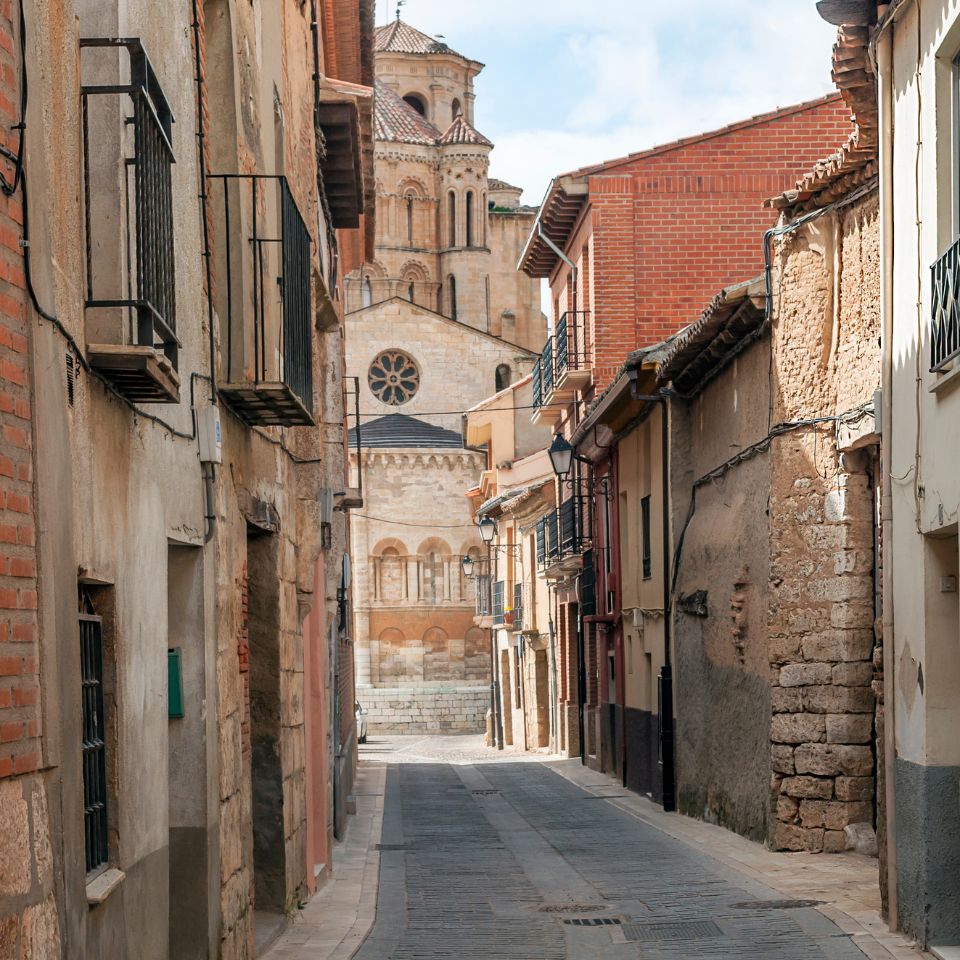
Toro played an important role in various episodes of Castilian history and retains a collection of churches, palaces and historic buildings that you can discover on a walk through the town centre.
What to see in Toro
- Collegiate Church of Santa María la Mayor: Toro's most iconic monument. Its architecture combines Romanesque and Gothic elements, with the Pórtico de la Majestad being a particular highlight.
- Espolón Promenade: an ideal place to admire the Duero landscape and stop to enjoy the views.
- Alcázar: part of the town's former defensive system.
- Main Square and historic streets: these are at the heart of local life and offer the chance to appreciate the traditional buildings.
- Wineries and wine culture: Toro is known for its wines with a protected designation of origin, making a wine tourism experience an excellent addition to your visit.
My recommendation is not to limit yourself to visiting the Collegiate Church before leaving. Take time to wander through the streets, visit the viewpoints and sit down for a leisurely meal.
Local cuisine and wines are an important part of the experience. If you want to visit a winery, check opening times and whether you need to book in advance.
How much time do you need?
Half a day to a full day is usually enough to explore the main attractions. It is an easy day trip from the city of Zamora and an excellent choice for those interested in heritage, gastronomy and wine tourism.
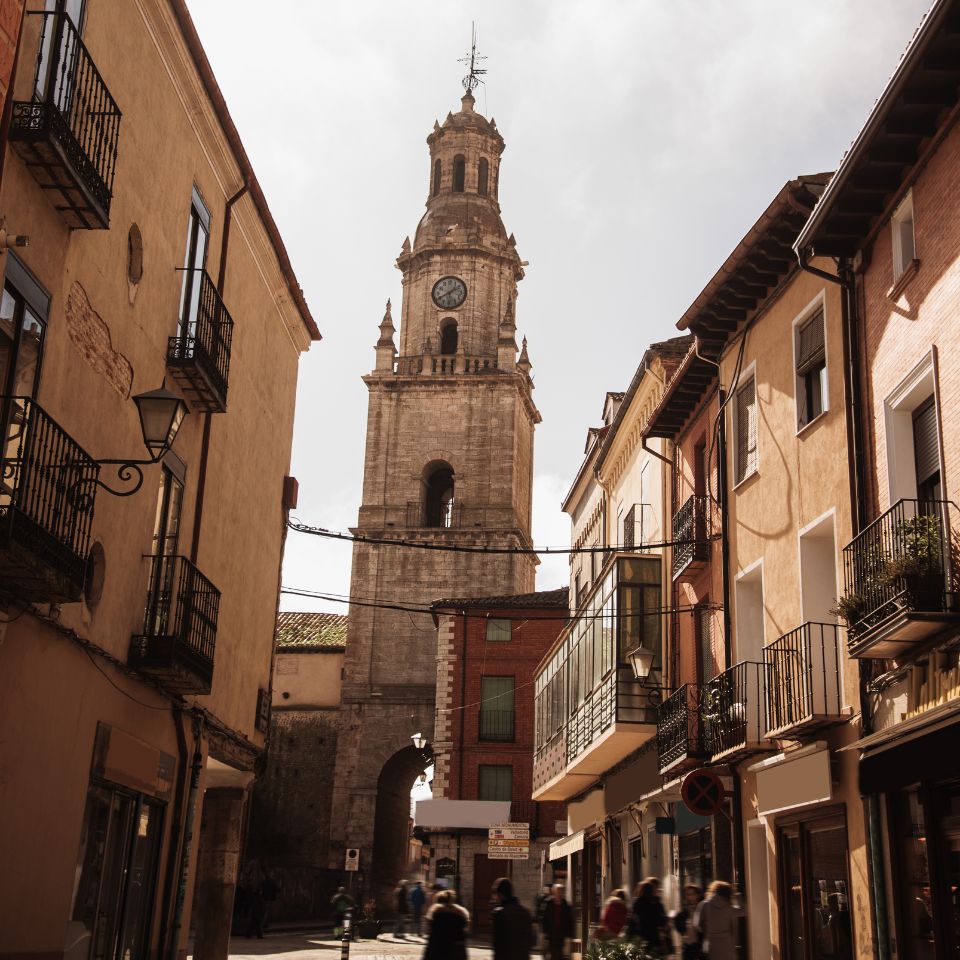
4. Villardeciervos: traditional architecture in the heart of the Sierra de la Culebra
If you are looking for charming villages in Zamora away from the usual tourist routes, Villardeciervos is well worth a visit.
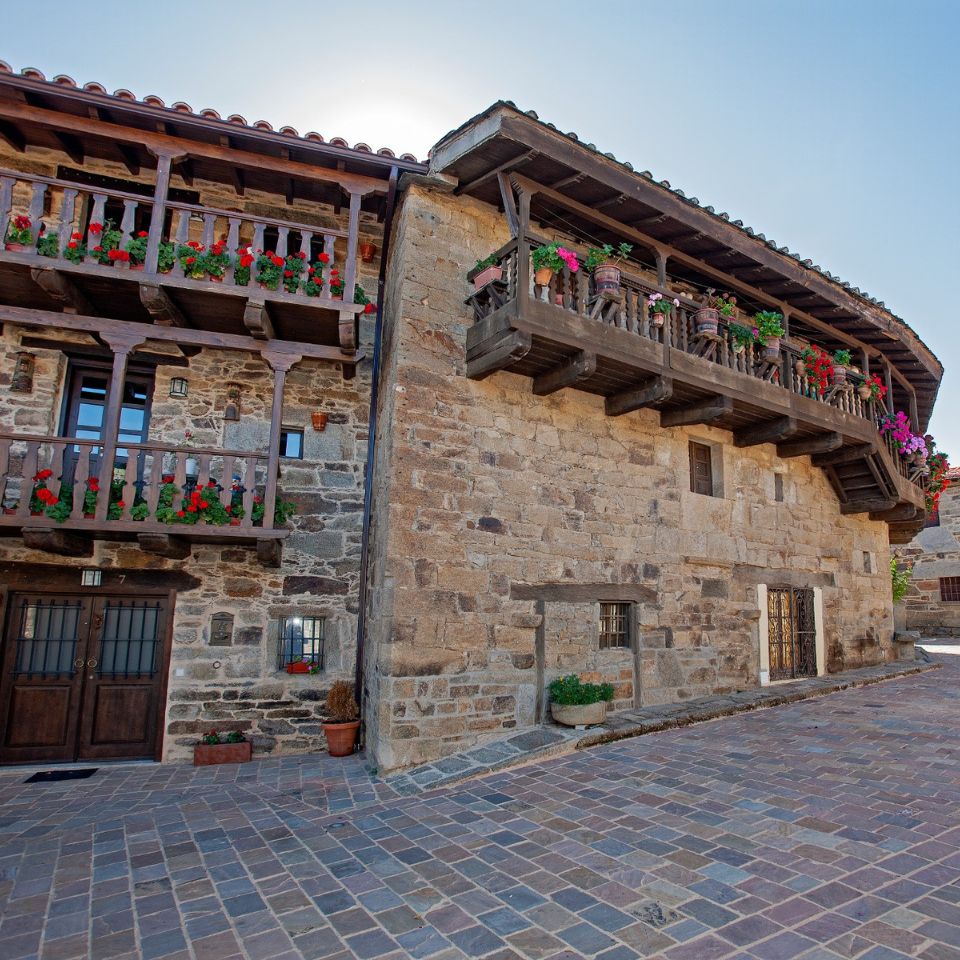
Located in the Sierra de la Culebra area, this village retains a distinctive traditional architectural style. Its stone houses, wooden balconies and traditional buildings reflect a way of life closely connected to the landscape and the local building materials.
The appeal here lies not in ticking off a long list of monuments, but in strolling at a leisurely pace, admiring the houses and enjoying the rural atmosphere.
What to see and do in Villardeciervos
-
Traditional village centre: explore the streets and look out for the stone façades and wooden balconies.
-
Main Square and historic buildings: discover more about the village's traditional layout.
-
Surroundings of the Sierra de la Culebra: an option for those who enjoy walking, nature photography and woodland scenery.
-
Walking routes in the surrounding area: plan walks around the area and check the options available through local tourist information services.
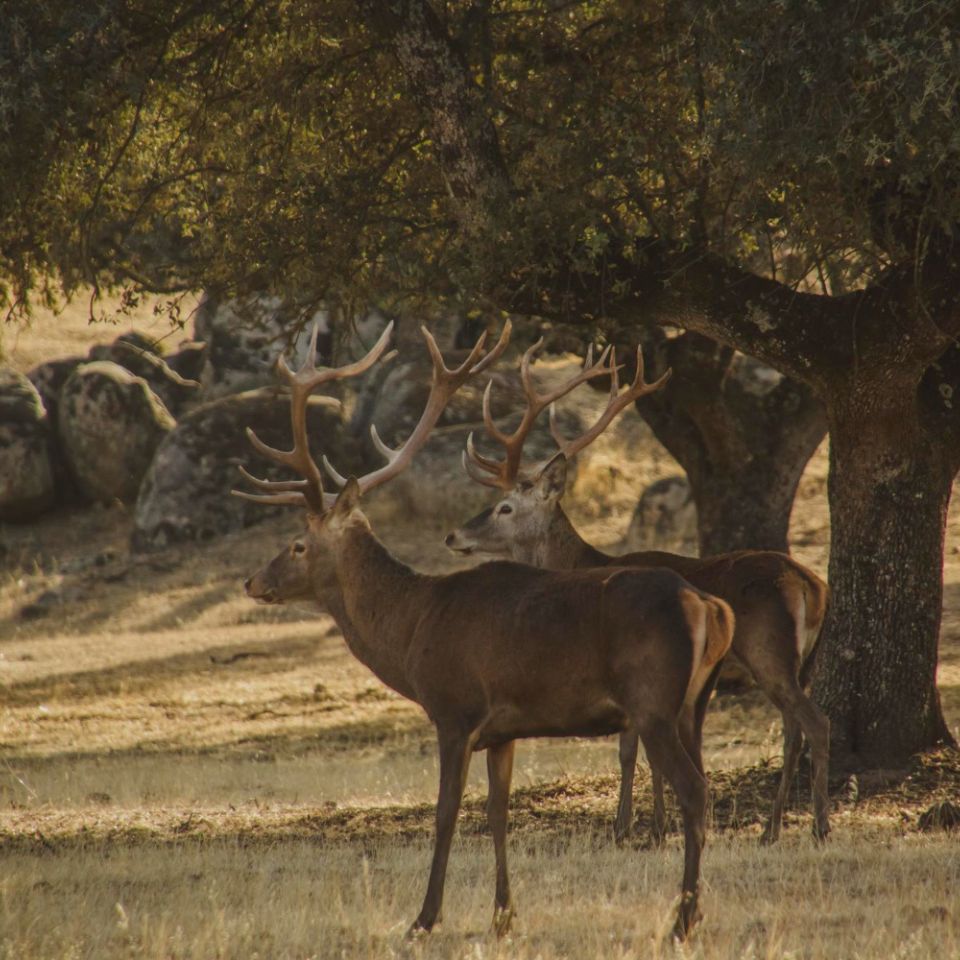
The Sierra de la Culebra is known for its rich natural heritage. However, if you intend to observe wildlife, it is advisable to find out about trail conditions and use authorised professionals where appropriate.
How much time do you need?
Two to four hours may be enough to explore the village centre. If you want to make the most of the day and discover the surrounding natural landscape, allow more time for your excursion.
Villardeciervos is an excellent choice for those who appreciate traditional architecture, tranquillity and nature tourism.
5. Benavente: historic heritage and a stop with character
Benavente is another place worth considering when planning a route through the province. Its location in the north of Zamora makes it an interesting stop for discovering the area's historic heritage and enjoying a meal during your journey.
Although it has a more urban character than other villages on this list, it retains buildings and hidden corners that reflect its historical importance.
What to see in Benavente
- Torre del Caracol: one of the town's landmarks, associated with the former castle-palace of the Counts of Benavente.
- Church of Santa María del Azogue: notable for its architecture and the apses at its eastern end.
- Church of San Juan del Mercado: another of the town's significant monuments.
- Paseo de la Mota: a pleasant place for a stroll and to enjoy views of the surrounding area.
- Town centre: its squares and streets allow you to round off your visit without having to travel far.
Benavente is particularly convenient if you are exploring the north of the province or heading towards Sanabria. You can combine your visit with a meal before continuing your journey in the afternoon.
How much time do you need?
Allow between two and four hours to see the main attractions. If you want to visit the monuments inside, check opening times in advance, as these may vary depending on the time of year.
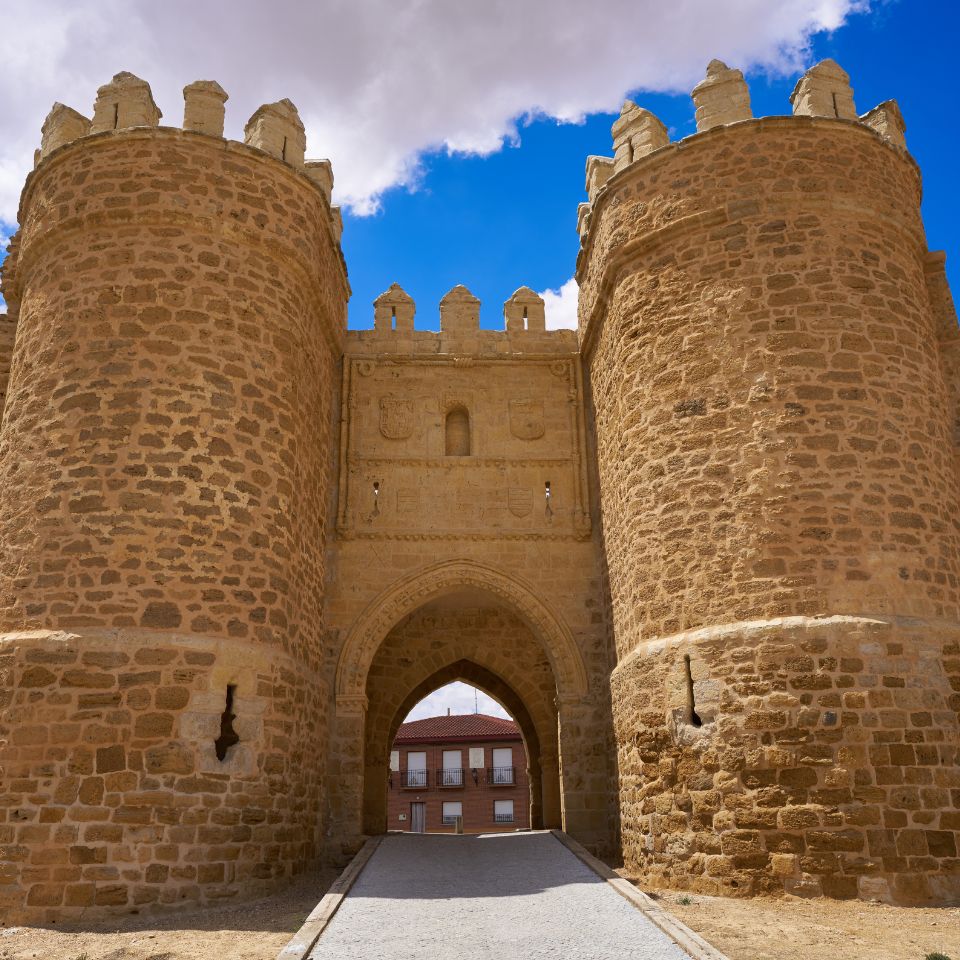
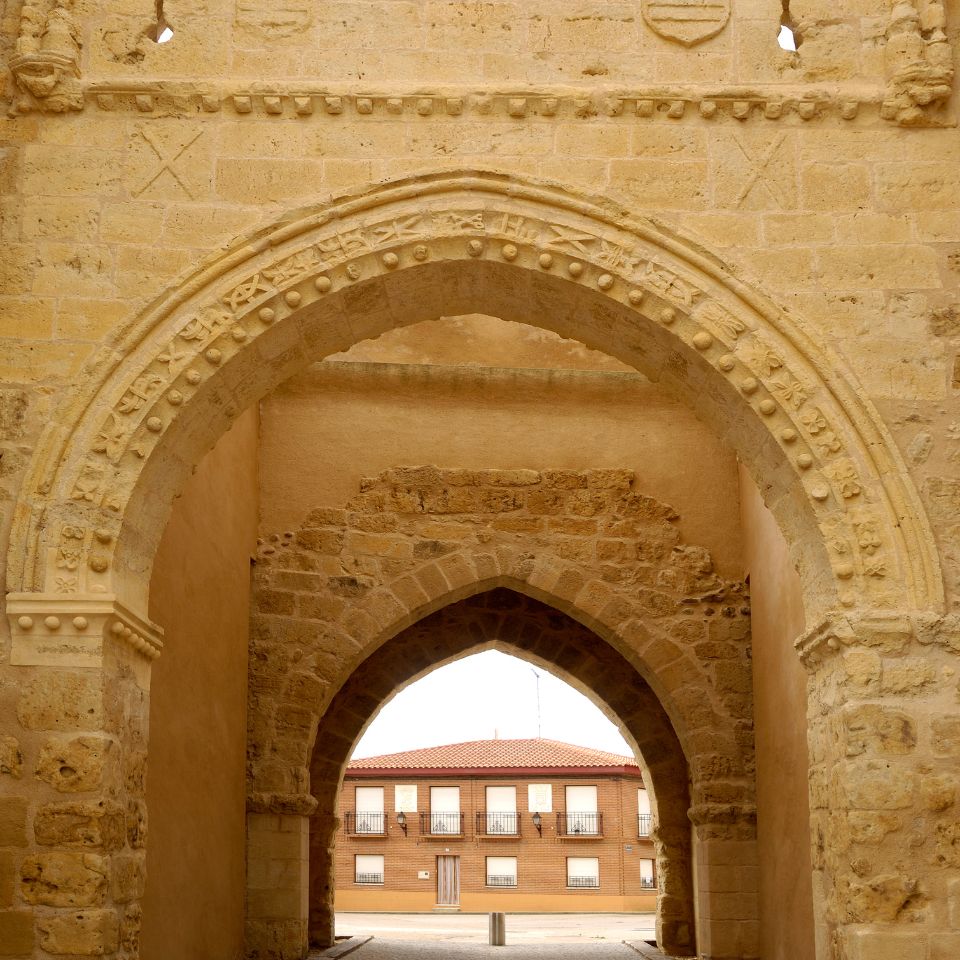
6. Villalpando: medieval gateways and traditional Castilian charm
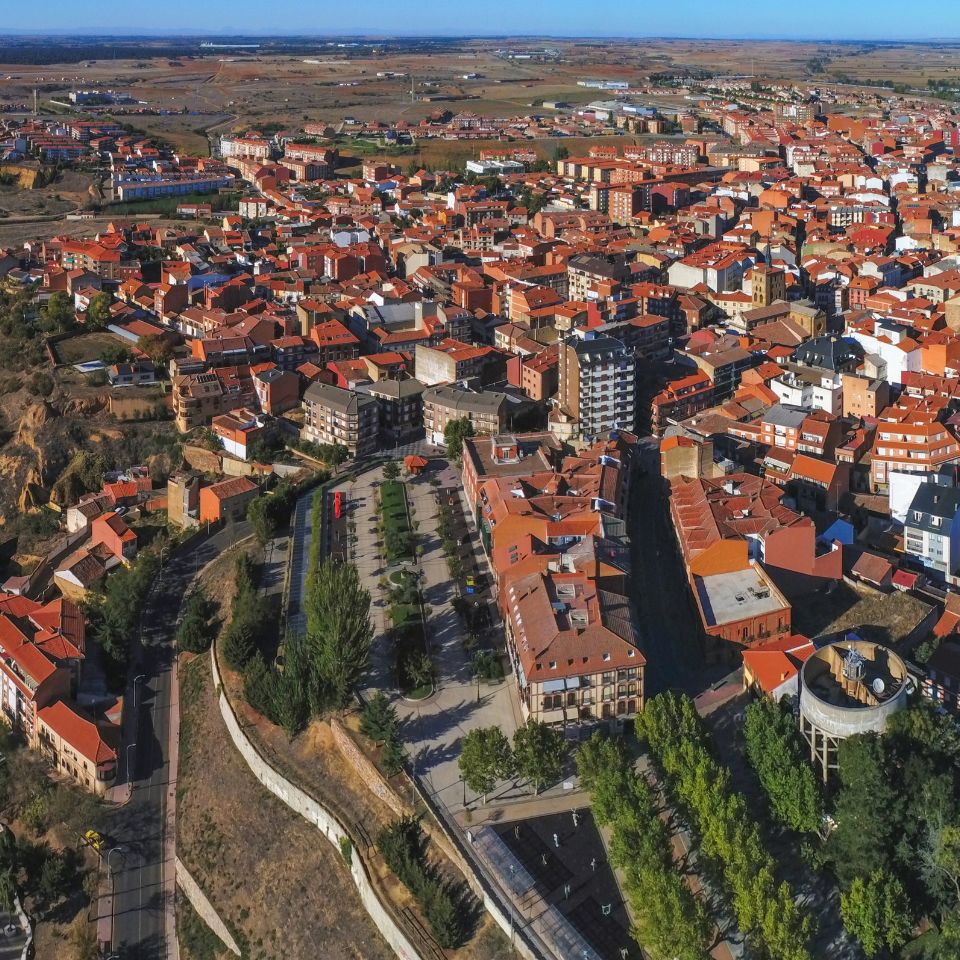
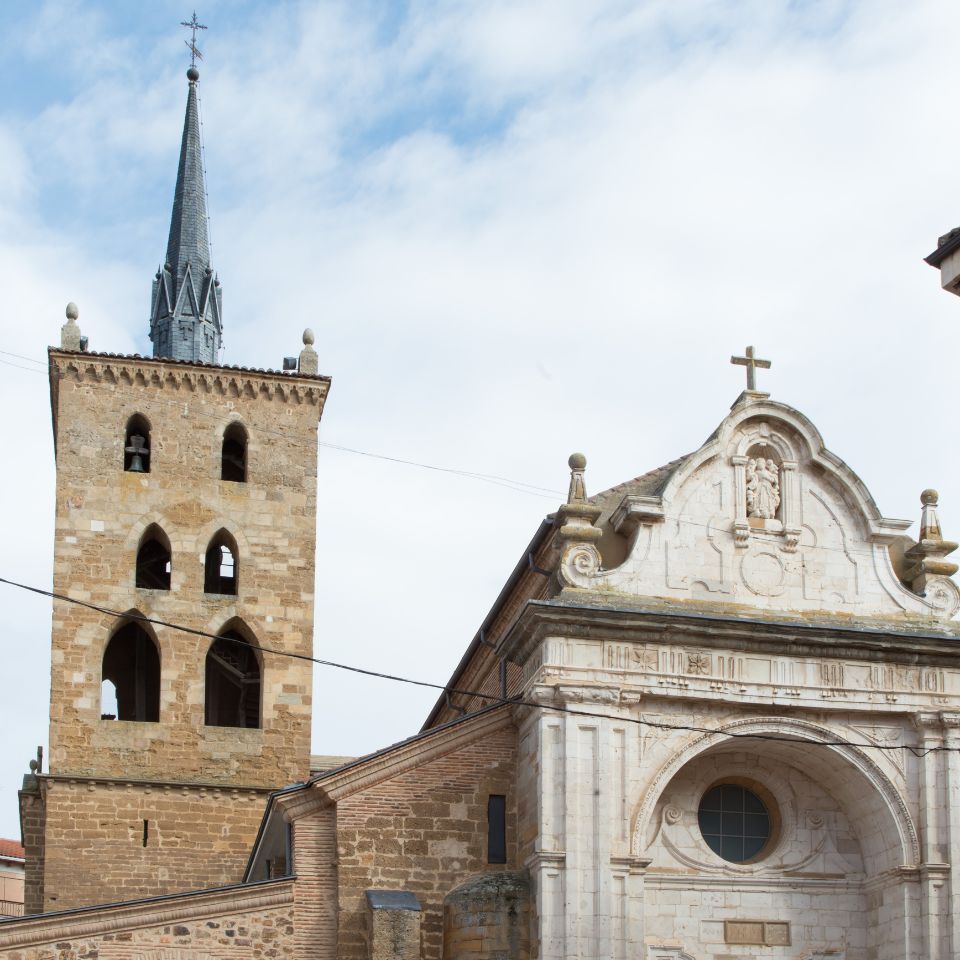
Villalpando is a town in Tierra de Campos well worth discovering if you are interested in medieval heritage and traditional Castilian architecture.
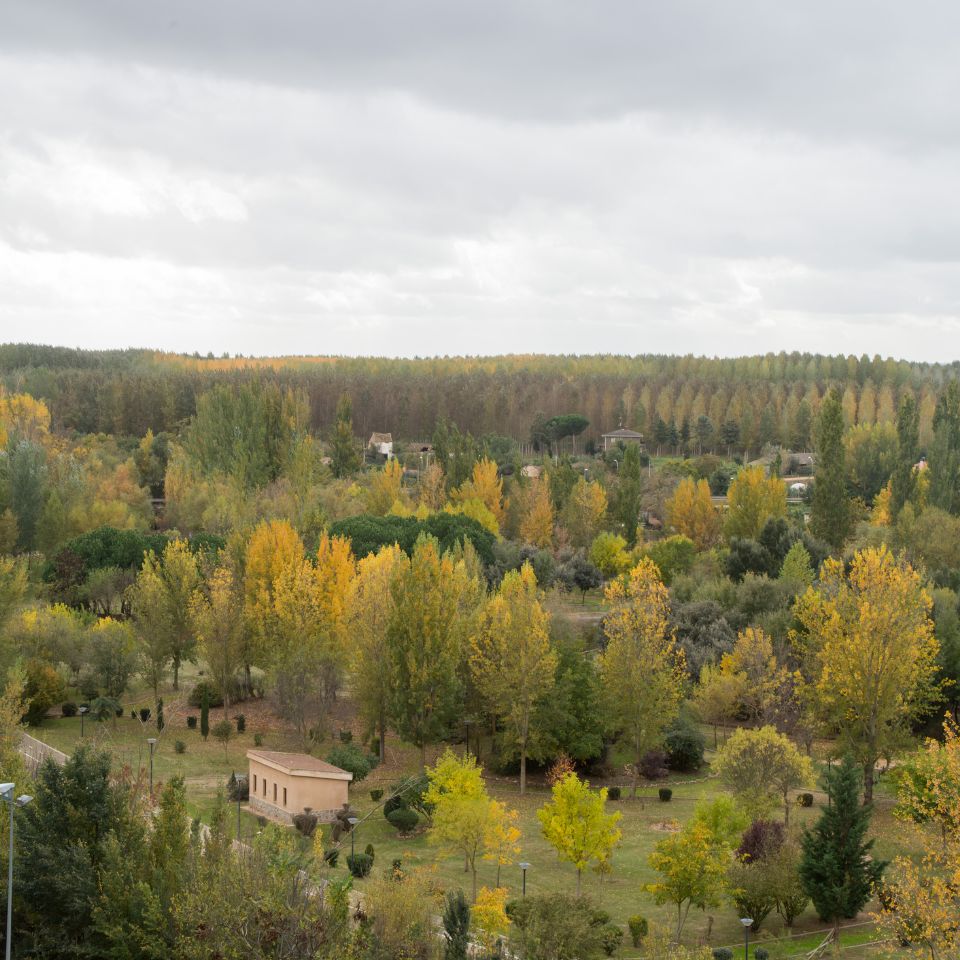
Its history can be seen in the remains of its old walls and the gateways that have survived to this day. The open countryside surrounding the town offers an interesting contrast with the mountainous and riverside landscapes found in other parts of Zamora province.
What to see in Villalpando
- Puerta de San Andrés: one of the most recognisable remnants of the town's former fortifications.
- Puerta de Santiago: another reminder of the town's walled past.
- Churches and historic buildings: it is worth exploring the town centre to discover its traditional buildings.
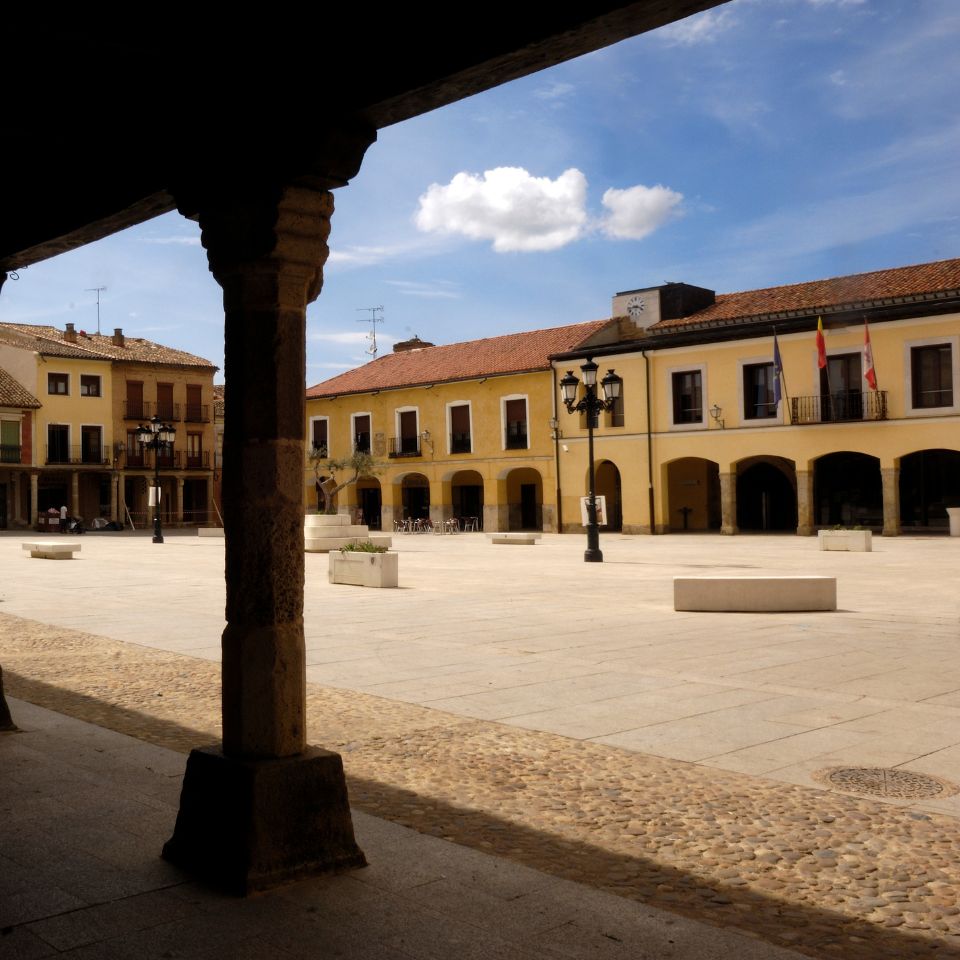
- Squares and streets in the town centre: ideal for a leisurely stroll and for getting a feel for this part of the province.
Villalpando is an interesting alternative for those looking to venture beyond the best-known routes and discover a part of Zamora shaped by medieval history and agricultural life.
How much time do you need?
Two to three hours may be enough to explore the main sights. If you have more time, you can combine your visit with other stops in Tierra de Campos.
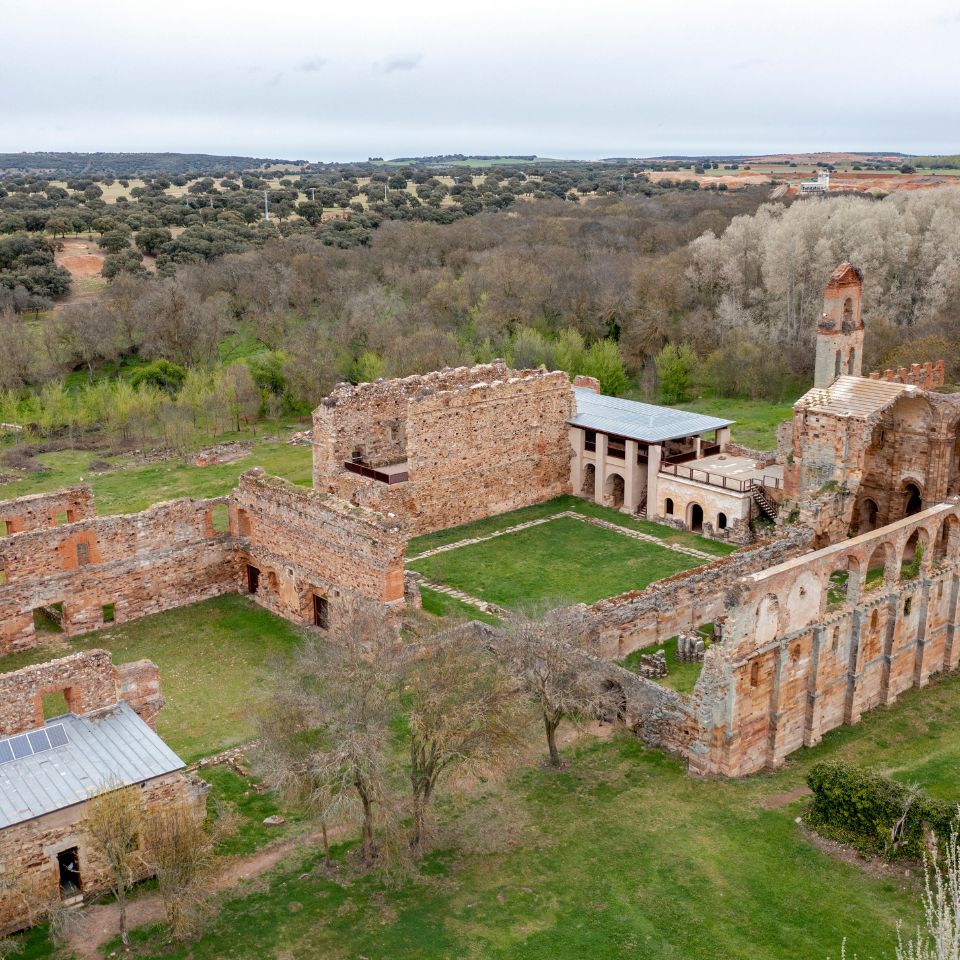
7. Granja de Moreruela: a monastery well worth the detour
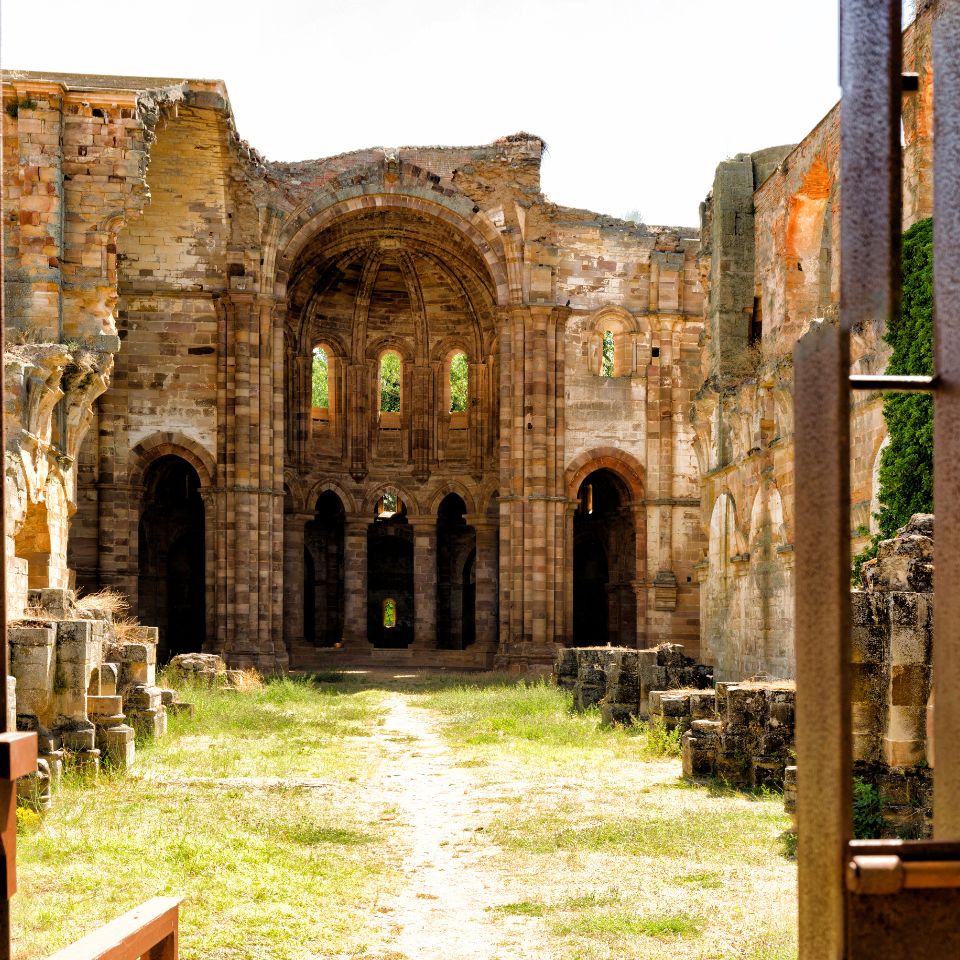
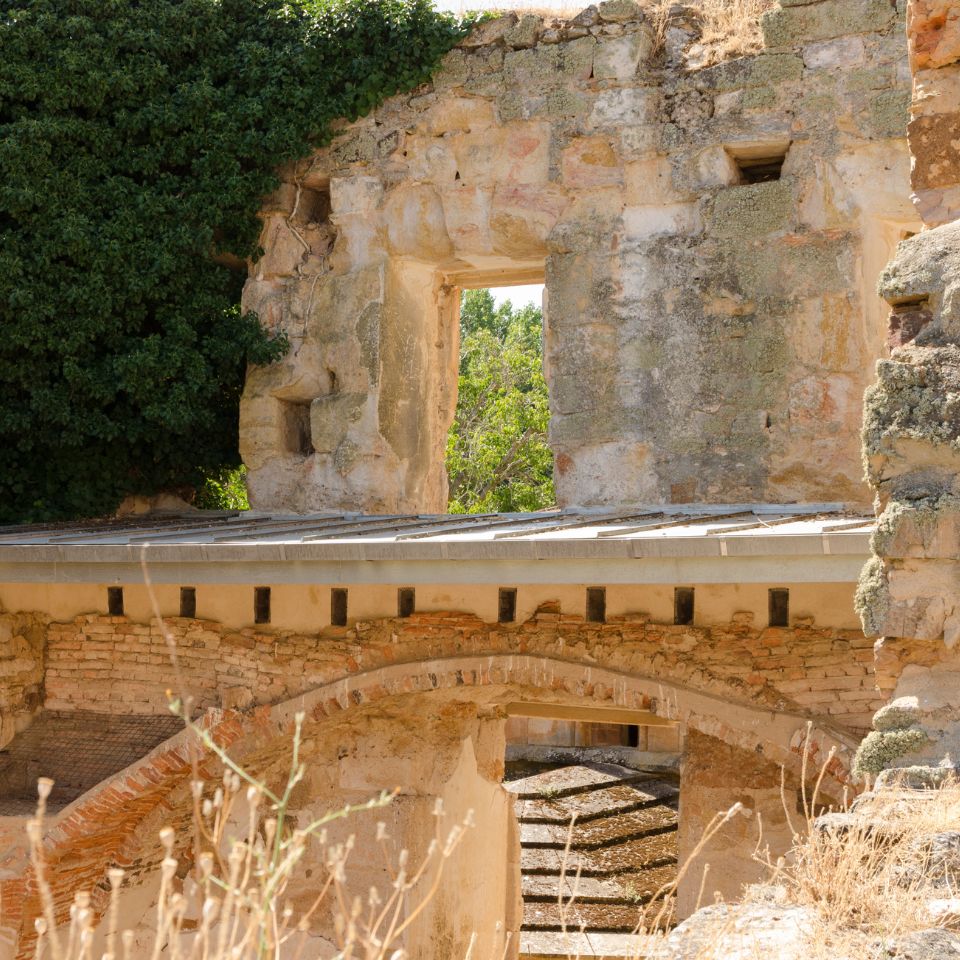
Granja de Moreruela is a particularly worthwhile stop for those who enjoy historic heritage. The main attraction is not so much the village itself as the Monastery of Santa María de Moreruela, one of the most significant Cistercian complexes in the province.
Its ruins have a visual impact that is difficult to find in other monuments. The east end of the church, with its arches and structures open to the sky, gives you a sense of the importance the monastic complex held during the Middle Ages.
What to see in Granja de Moreruela
- Monastery of Santa María de Moreruela: the main reason to visit, with architectural remains illustrating the transition from Romanesque to Gothic styles.
- The east end of the church: one of the most striking parts of the complex and a highlight for photography enthusiasts.
- The rural surroundings: an opportunity to round off your visit with a walk through the local countryside.
It is not the destination I would choose for a break focused on shops or outdoor cafés, but it is ideal for a cultural excursion. The monastery deserves time to appreciate its details and understand the scale of the complex.
How much time do you need?
Allow around one to two hours for the visit, excluding travel time. Check opening times and visiting arrangements before you go.
8. San Martín de Castañeda: architecture and nature beside Sanabria Lake
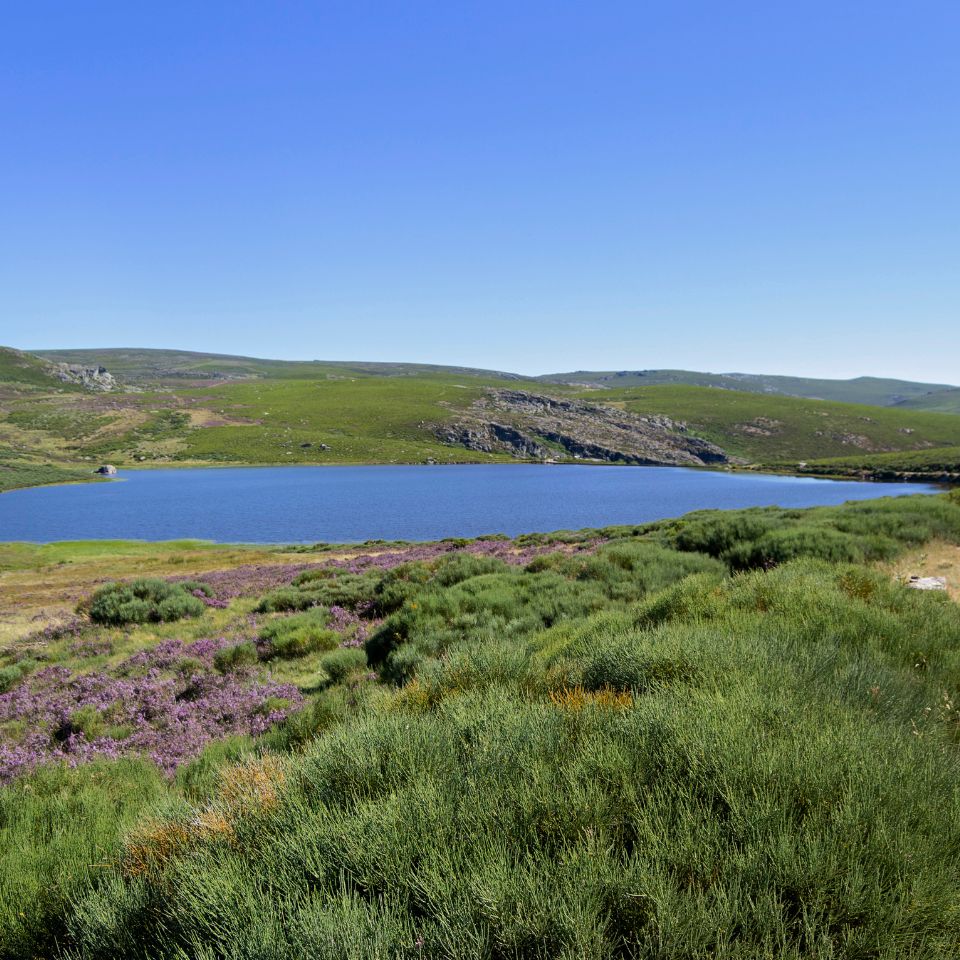
San Martín de Castañeda is located in the Sanabria Lake area and is well worth a stop if you want to discover the relationship between rural heritage and mountain scenery.
Its main historic attraction is the Monastery of San Martín de Castañeda, which is closely linked to the history of the region and lies in a natural setting that invites you to pause and admire the landscape.
What to see and do in San Martín de Castañeda
- Monastery of San Martín de Castañeda: a historic complex that helps you understand the area's religious and cultural importance.
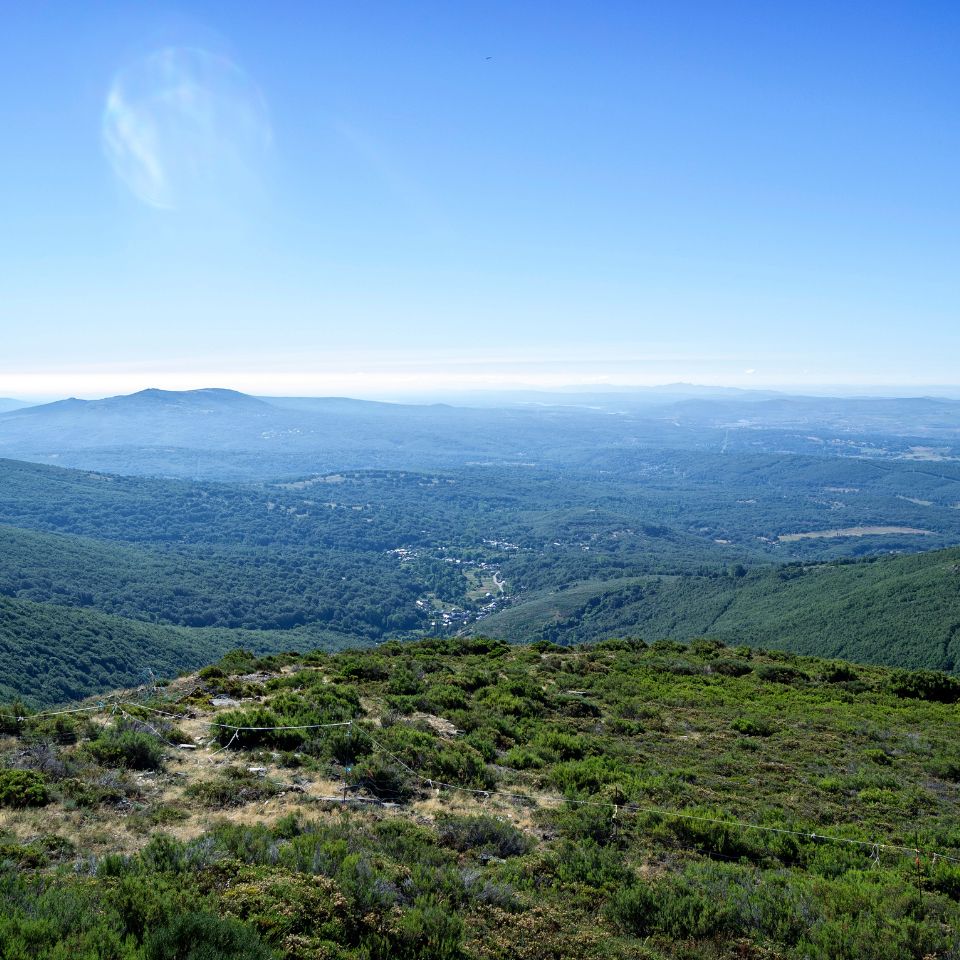
- Viewpoints and lake views: the surrounding area offers particularly attractive perspectives of the Sanabria landscape.
- Roads and routes through the natural park: you can combine your visit with other stops around the lake.
- Sanabria cuisine: make the most of your trip to discover the region's traditional dishes.
It is an especially appealing option if you want to explore Sanabria beyond Puebla de Sanabria. Rather than visiting the village and heading straight back, it is worth setting aside time to enjoy the lake and its surroundings.
How much time do you need?
Allow between two and three hours to explore the village and monastery, although your trip could take a full day if you combine it with other places in the natural park.
9. Galende: a gateway to the Sanabria landscape
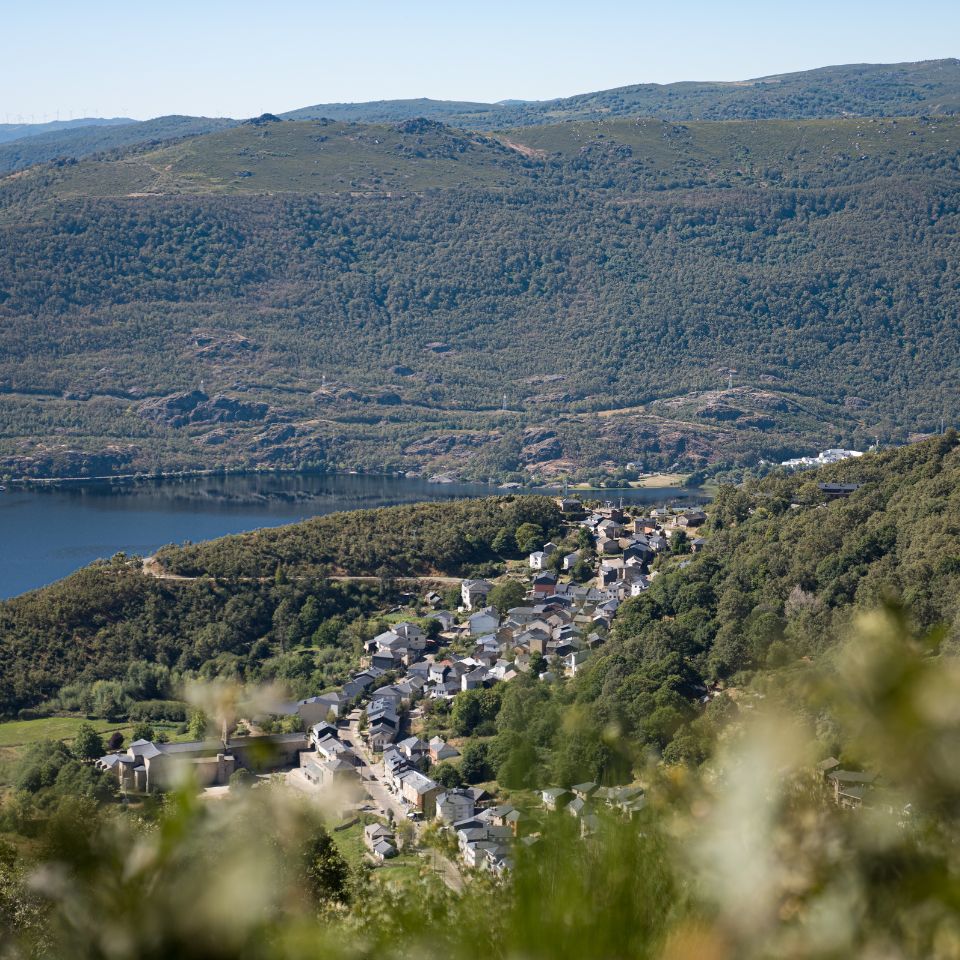
Galende is another village you can include in a route through the most beautiful villages in Zamora if you want to explore the Sanabria Lake area at a more leisurely pace.
The municipality lies in a region shaped by water, forests and traditional buildings. It is a good choice for those who prefer to explore several places in the same area rather than concentrating their entire trip on a single destination.
What to see and do in Galende
- Traditional architecture: look out for the stone buildings and distinctive rooftops typical of the region.
- Surroundings of the River Tera: water is an integral part of the landscape and character of this area.
- Walking routes around Sanabria: you can make this visit part of an excursion that includes the lake and other nearby villages.
- Local cuisine: a great opportunity to sample regional produce and traditional dishes.
Galende makes the most sense as part of a route around Sanabria. If you are travelling from the city of Zamora, it is best to group several stops together to make the most of your journey.
How much time do you need?
Allow one to two hours for a leisurely stroll around the village. If you want to enjoy outdoor activities, you will need to set aside more time.
10. Alcañices: tradition and heritage in the Aliste region
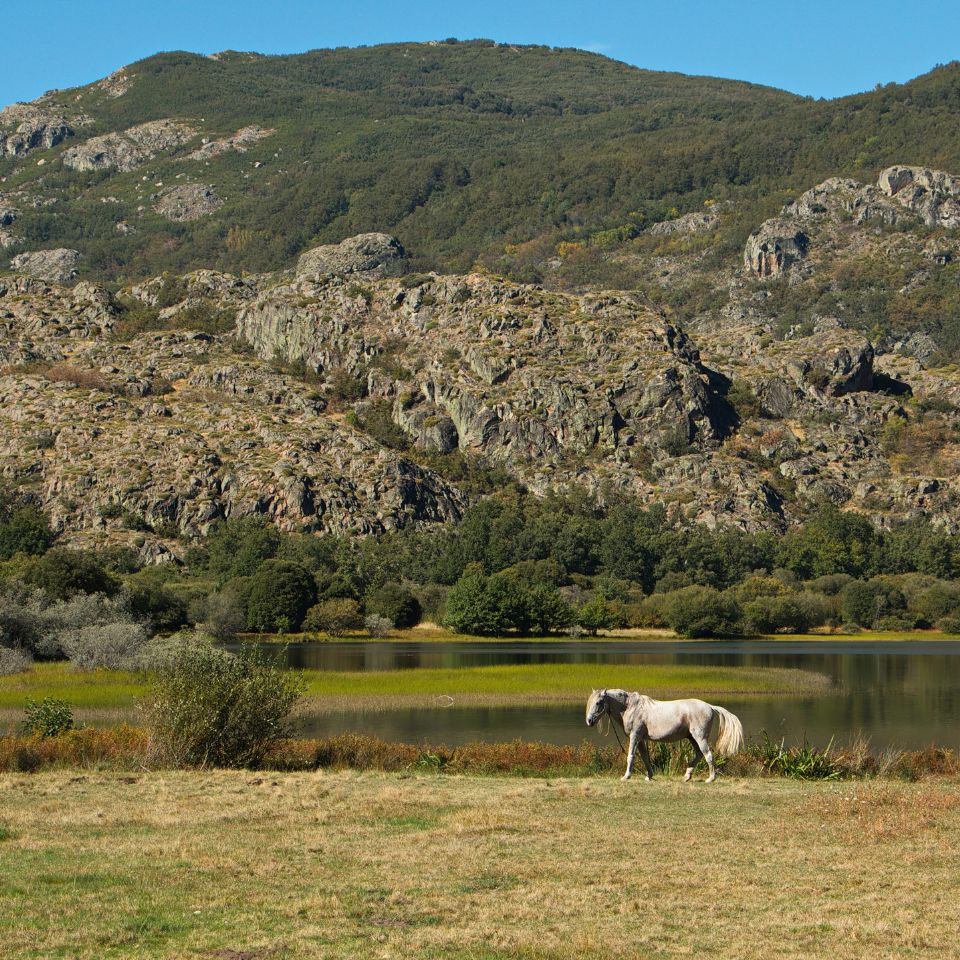
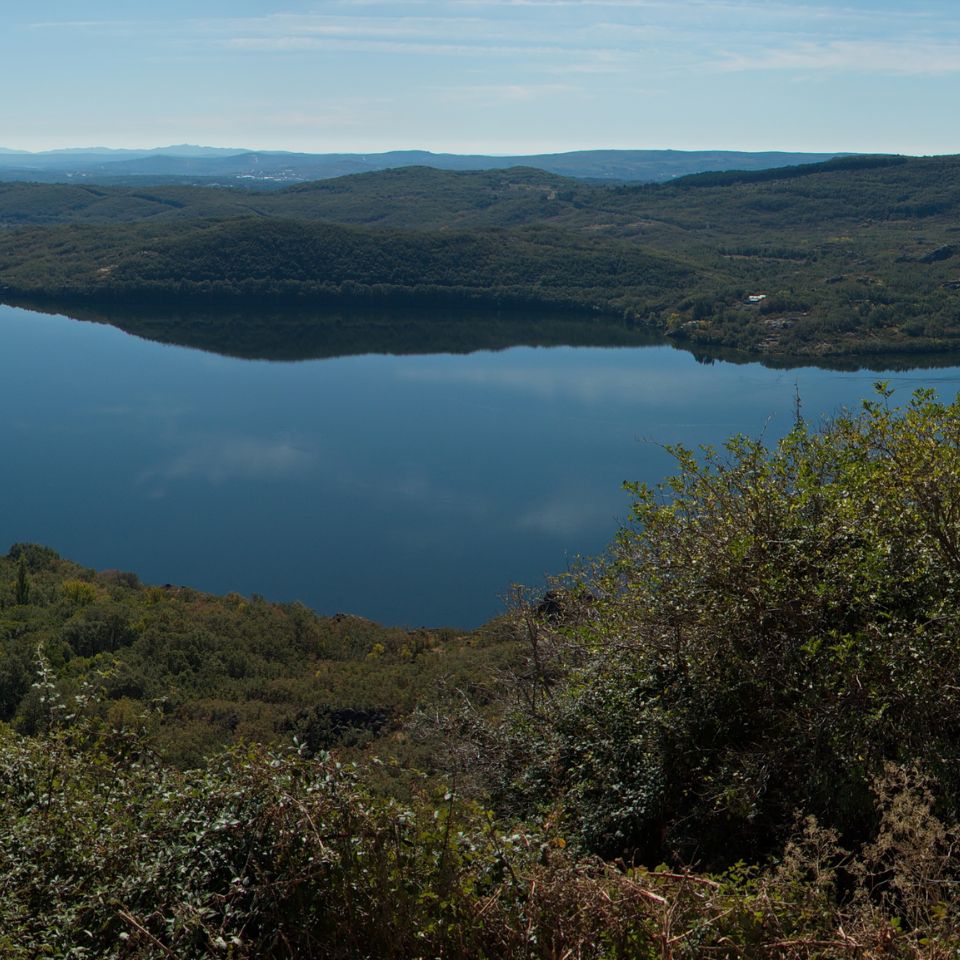
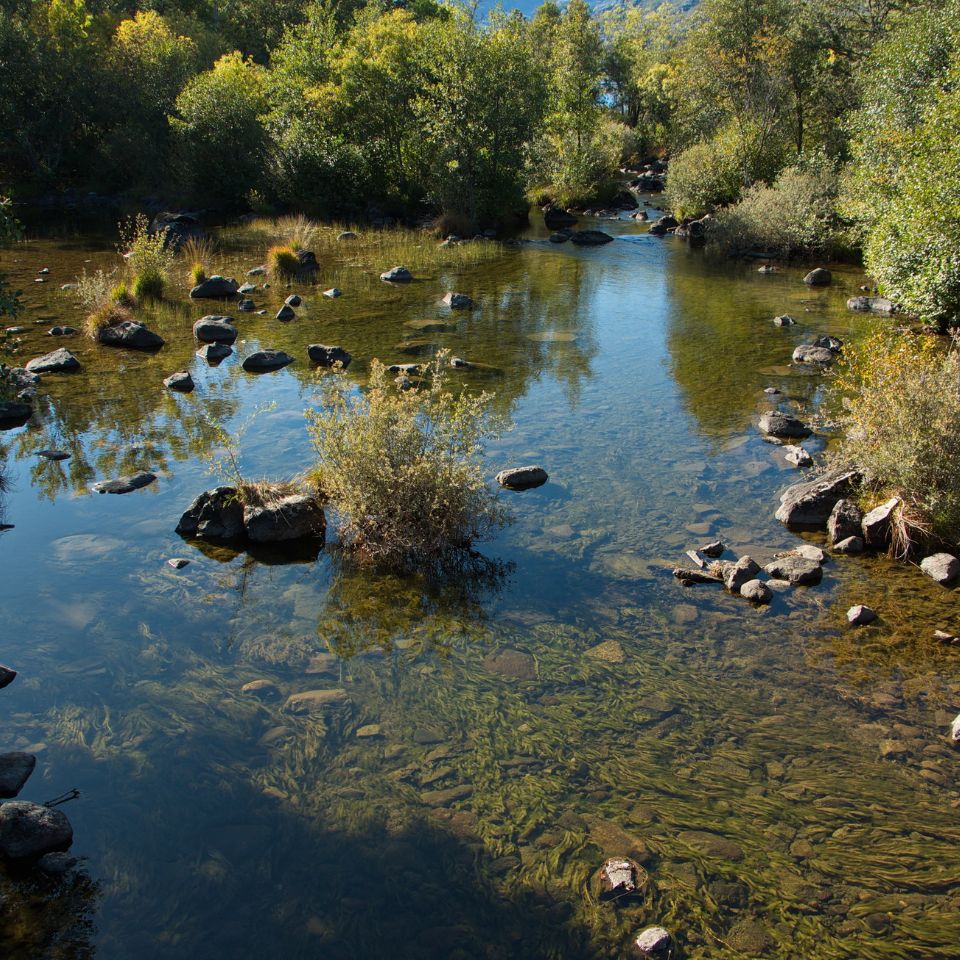
Alcañices lies in the west of the province, near the Portuguese border, and is a great option for discovering a lesser-known part of Zamora, away from the better-known destinations of Sanabria and Toro.
Its location and history are closely linked to the Aliste region and the historical ties between both sides of the border.
What to see and do in Alcañices
- Historic centre: explore the streets and discover the heritage features that have survived in the town.
- Aliste architecture and traditions: look at the buildings and details that reflect the identity of this region.
- Aliste cuisine: Aliste beef is one of the area's most representative products.
- Excursions along the Portuguese border: extend your trip by visiting other villages and exploring the landscapes of western Zamora.
Alcañices is an excellent alternative for those seeking rural tourism and wanting to discover the traditions of a region with a distinctive identity.
How much time do you need?
Two to three hours should be enough for a first visit. If you want to explore more villages in Aliste, set aside a full day.
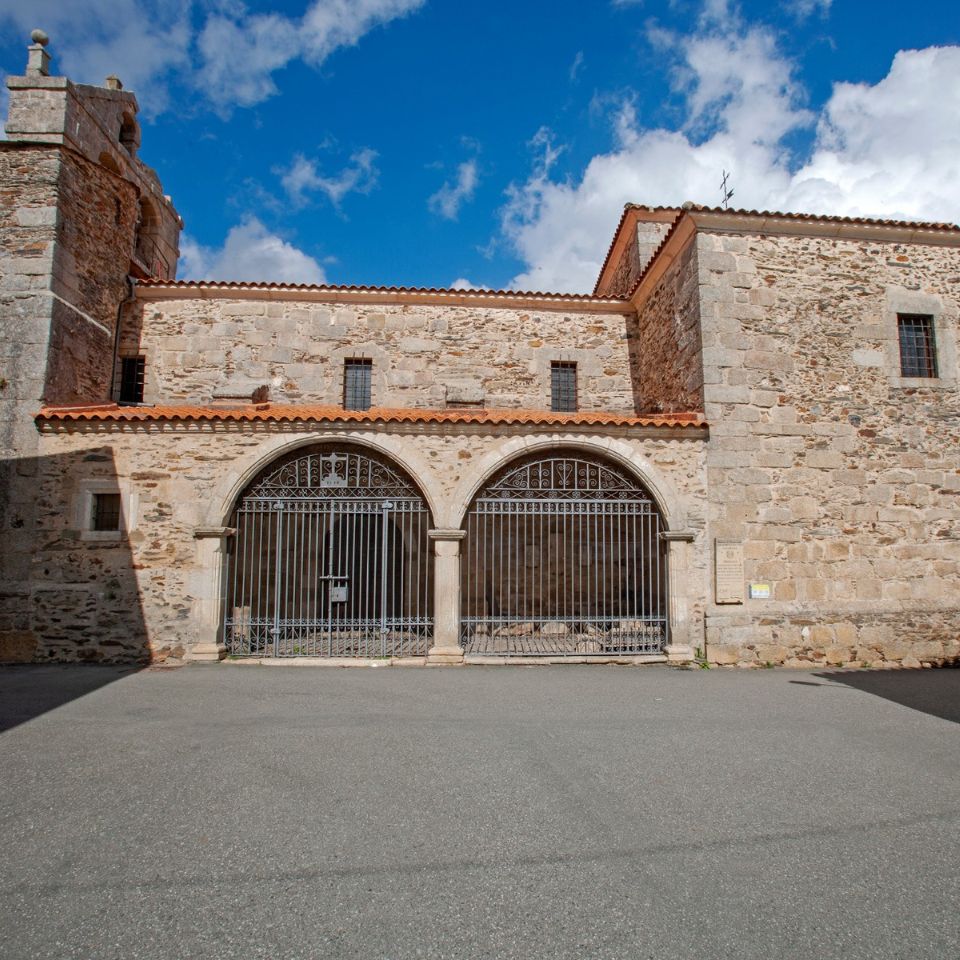
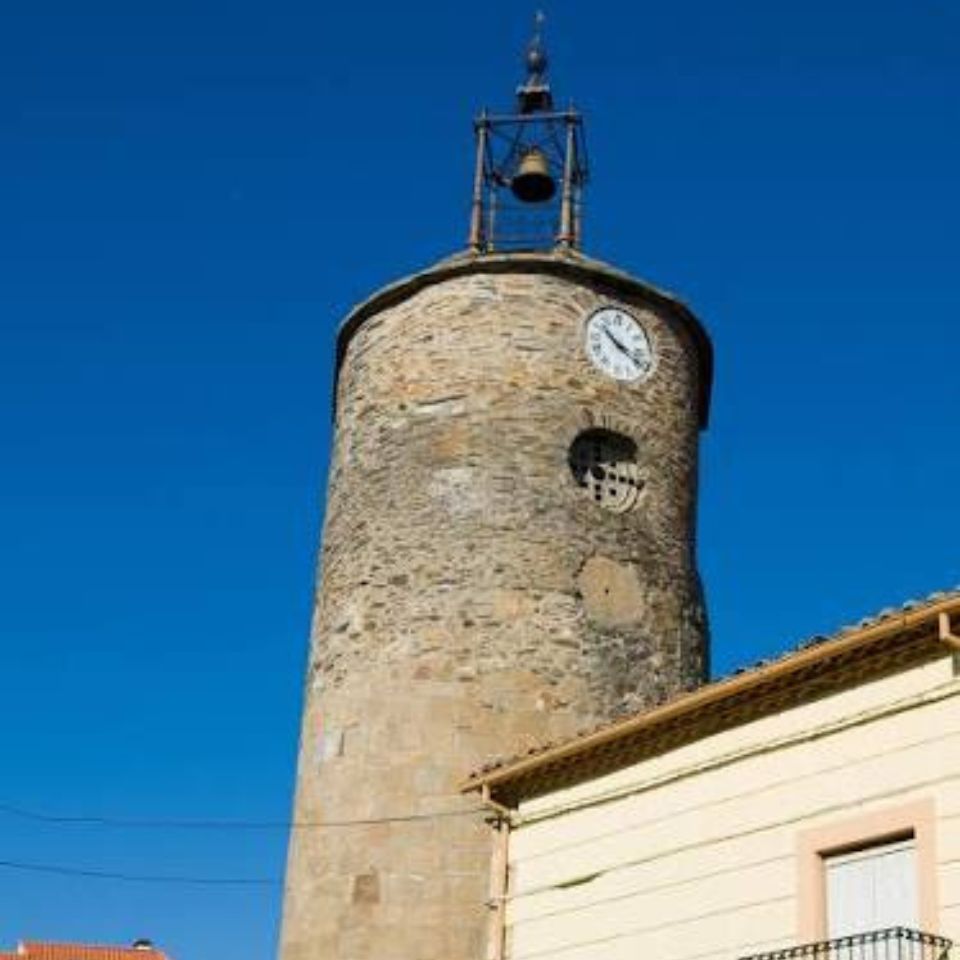
11. Fuentesaúco: a village steeped in tradition
Not all the beautiful villages in Zamora stand out for their castles or grand monuments. Sometimes, their appeal lies in discovering the local cuisine, customs and character of the place.
Fuentesaúco is known for its chickpeas, which are protected under a Protected Geographical Indication. This product is part of the village's identity and makes a visit an opportunity to discover the province's agricultural and culinary traditions.
What to see and do in Fuentesaúco
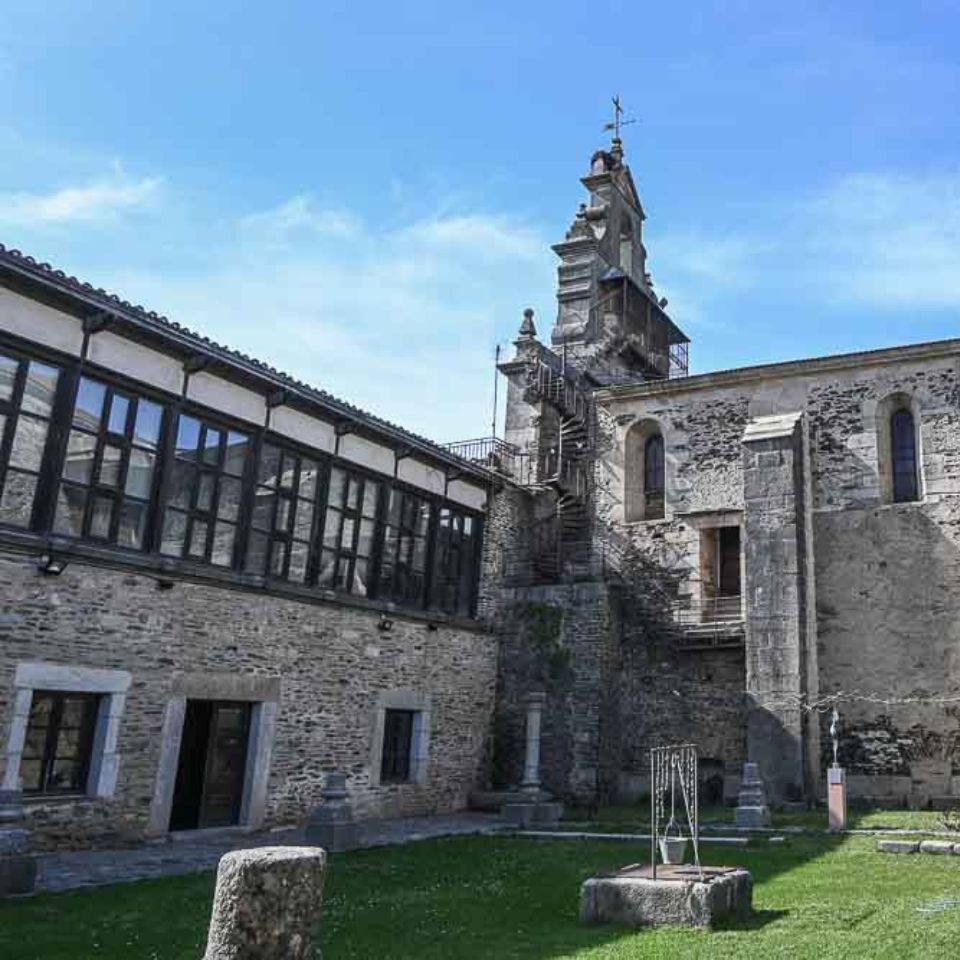
- Church of Santa María del Castillo: one of the historic buildings well worth visiting.
- Traditional streets and squares: ideal for a leisurely stroll.
- Local cuisine: ask about dishes made with Fuentesaúco chickpeas and other local produce.
- Surrounding countryside: an opportunity to round off your excursion with a route through nearby villages.
If you enjoy discovering a region through its food, Fuentesaúco is a stop that adds variety to a route focused on monuments and landscapes.
How much time do you need?
Allow one to two hours to explore the village, although your visit may take longer if it coincides with a food-related event or a local celebration.
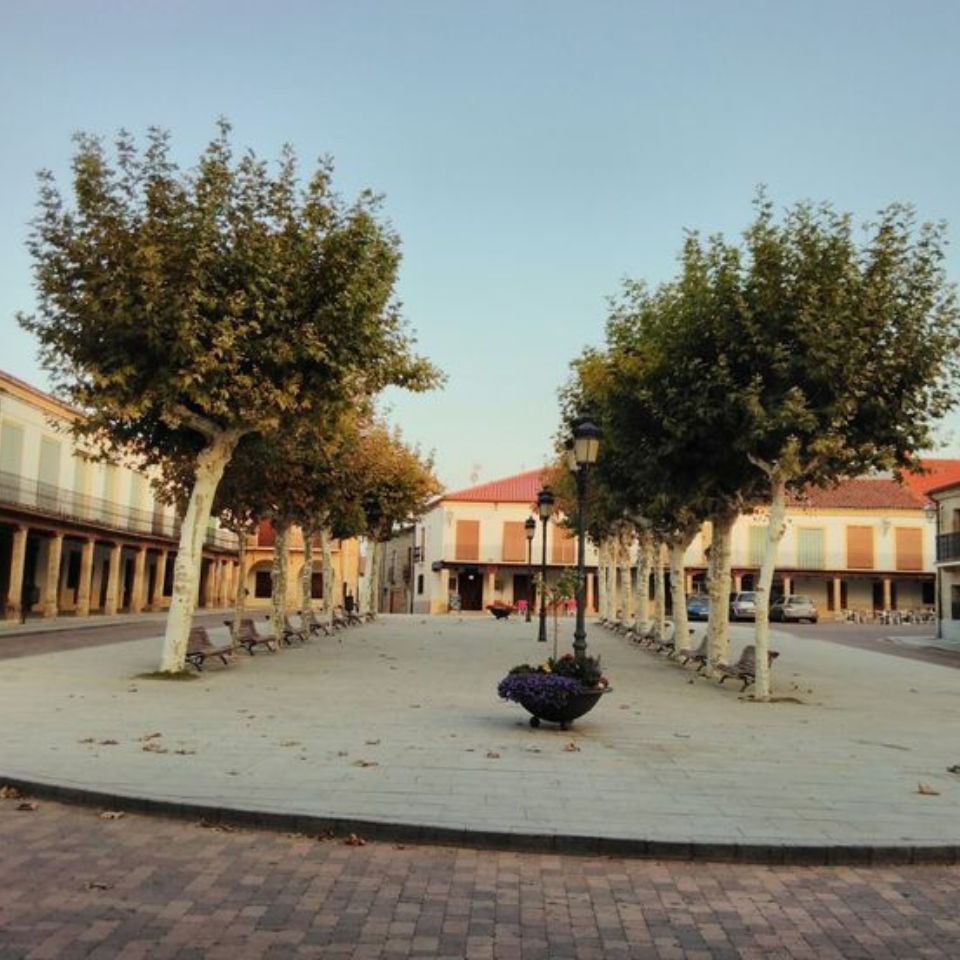
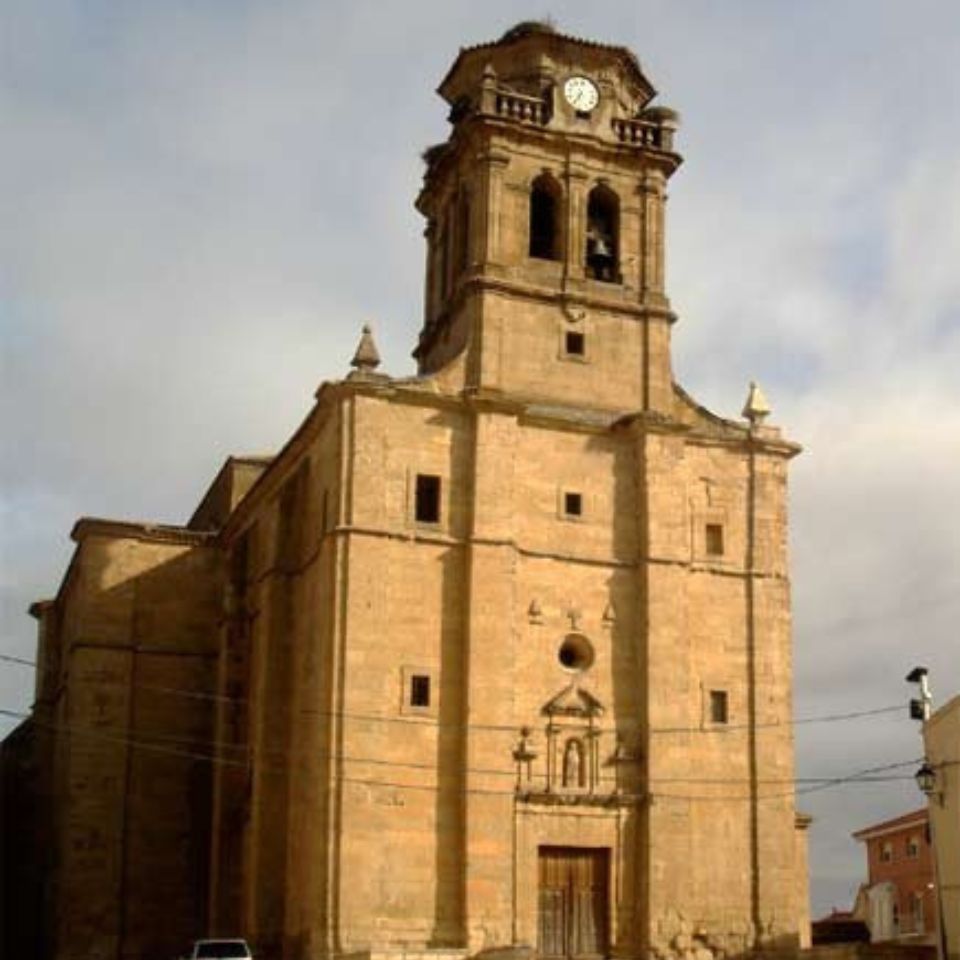
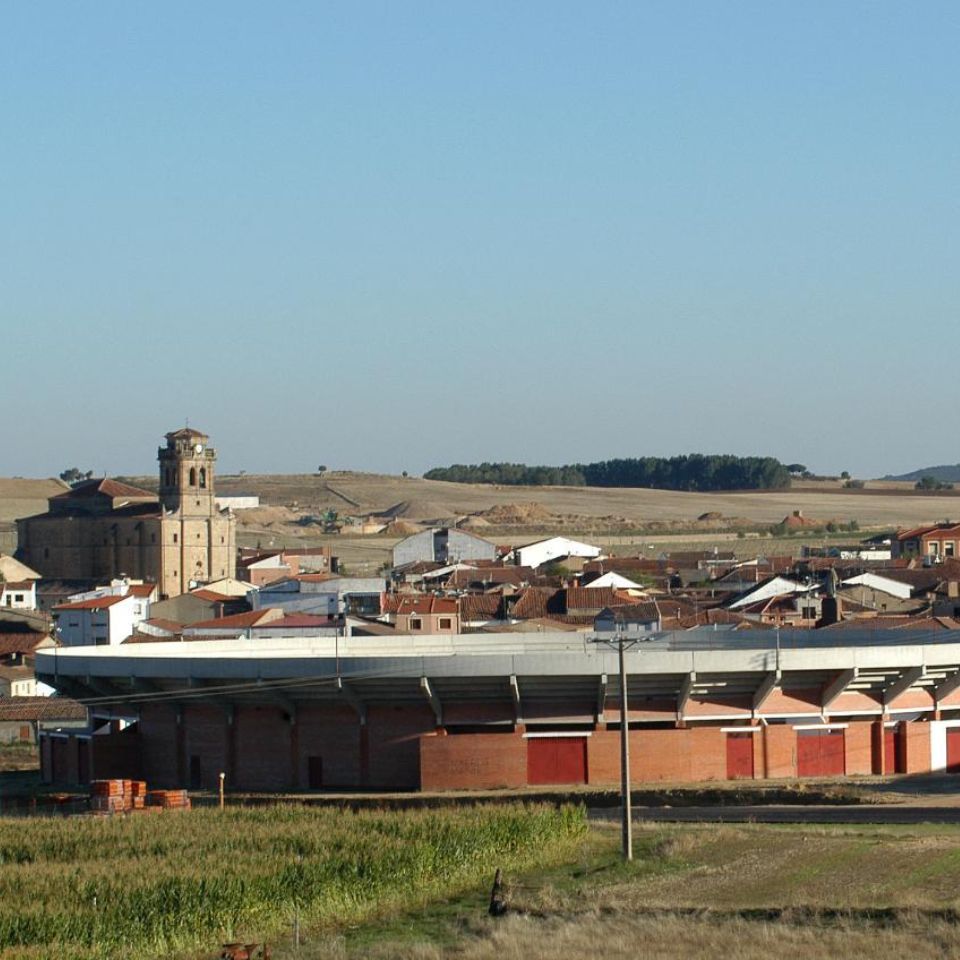
12. Santa Marta de Tera: a jewel of Romanesque architecture in Zamora
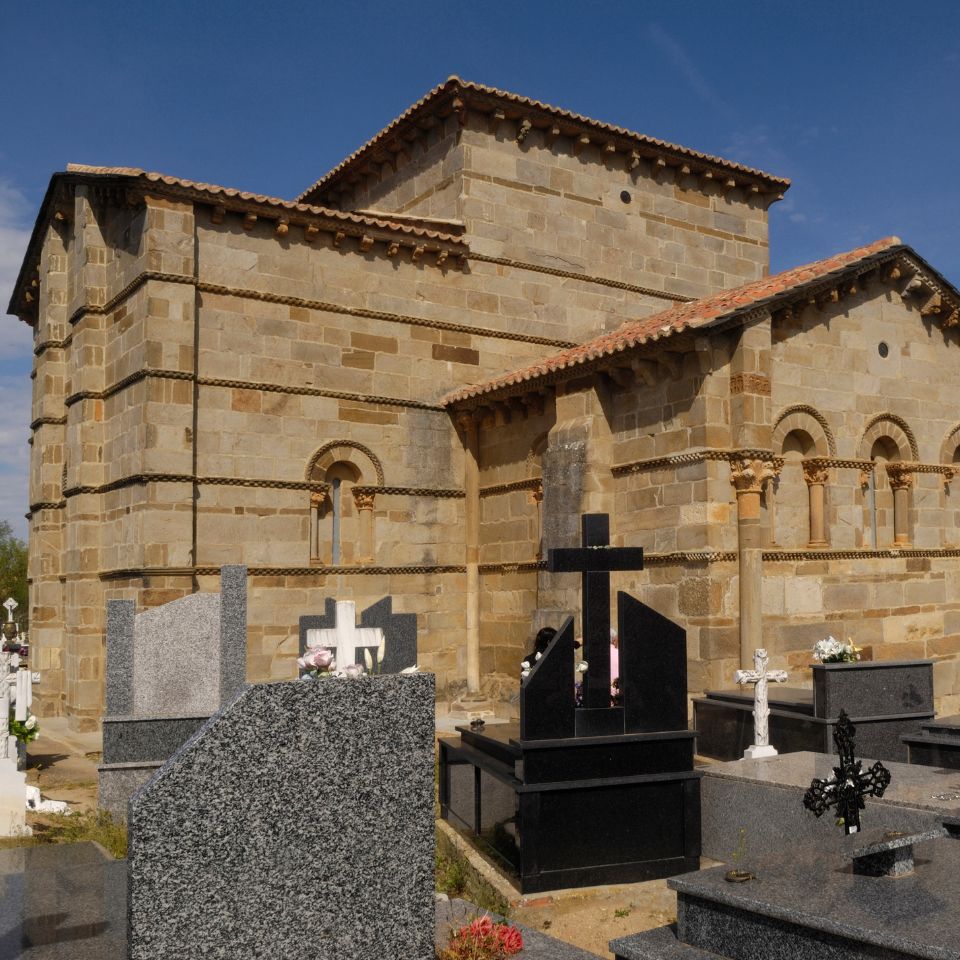
Santa Marta de Tera, part of the municipality of Camarzana de Tera, is a highly recommended stop for lovers of art and historic routes.
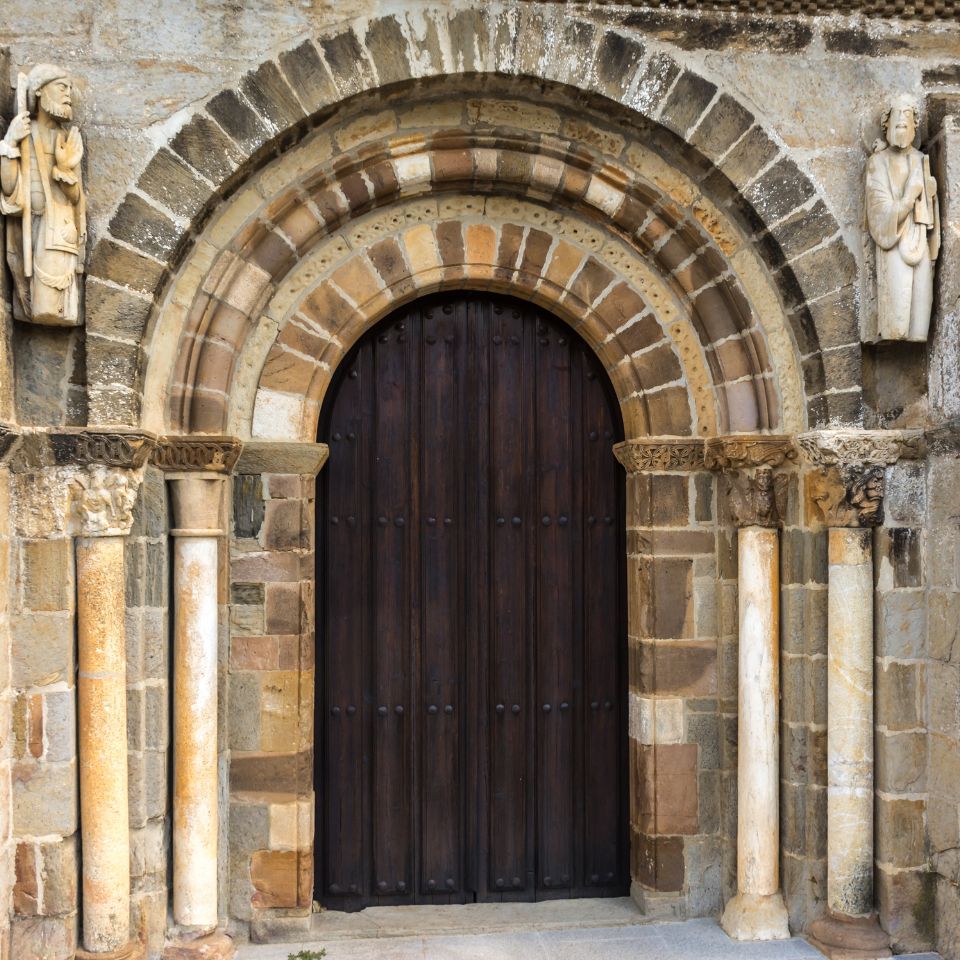
Its Church of Santa Marta la Real is one of the leading examples of Romanesque architecture in the province. The building is particularly interesting for its architecture and the sculpture of one of its apostles, which is linked to the iconography of the Camino de Santiago.
What to see in Santa Marta de Tera
- Church of Santa Marta la Real: the village's main attraction and a highlight for anyone exploring Zamora's Romanesque heritage.
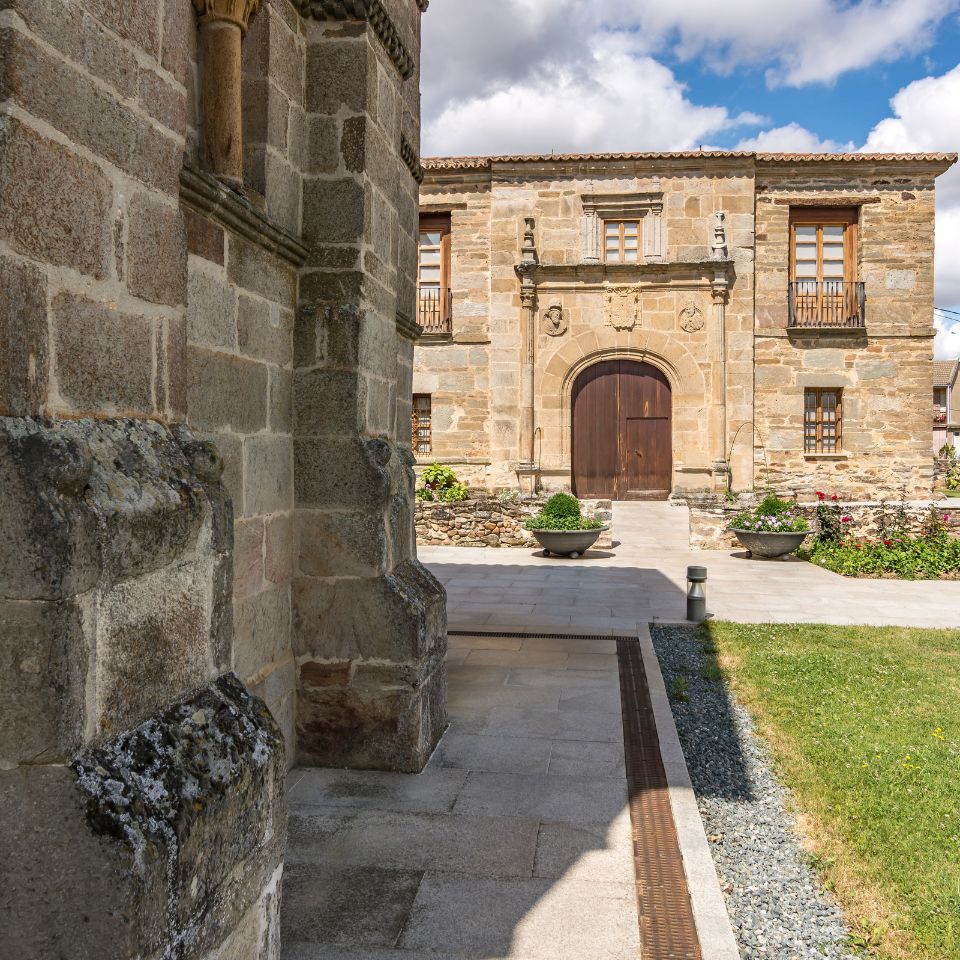
- Surroundings of the church: take time to admire the architectural and sculptural details.
- Landscape of the Tera region: round off your visit with a walk around the surrounding area.
- Cultural routes: the area offers opportunities to explore the links between religious heritage and historic routes.
It is a small village, but its church alone makes it worth a stop. This is precisely why a destination's appeal should not be judged solely by its size.
How much time do you need?
Between 45 minutes and an hour may be enough for a visit focused on the church. Check in advance whether it is open and what access arrangements apply.
Which villages in Zamora should you visit depending on your type of trip?
Not every traveller is looking for the same thing. To help you choose, here is a selection based on the type of short break you want to plan.
| If you are looking for… | Recommended villages | Why choose them? |
|---|---|---|
| A medieval historic centre | Puebla de Sanabria and Villalpando | Castles, traditional streets and remains of ancient fortifications. |
| Nature and viewpoints | Fermoselle and San Martín de Castañeda | Landscapes of the Arribes del Duero and the Sanabria Lake area. |
| Heritage and monuments | Toro, Benavente and Santa Marta de Tera | Collegiate churches, historic churches and Romanesque architecture. |
| Rural architecture | Villardeciervos and Galende | Traditional houses and villages closely connected to their surroundings. |
| Food and wine | Toro and Fuentesaúco | Wine tourism and local produce. |
| A different kind of cultural excursion | Granja de Moreruela and Alcañices | A Cistercian monastery and the traditions of the Aliste region. |
If you are short on time, my advice is not to try to visit all twelve villages in a single trip. It is better to choose two or three nearby destinations and enjoy them at a leisurely pace.
Which beautiful villages in Zamora should you visit over a weekend?
If you are visiting Zamora for two days, you can combine the provincial capital with some of the province's most interesting regions. The key is to group your visits by area, as distances between some destinations can be considerable.
Option 1. Zamora city and Toro
This is one of the easiest combinations if you are looking for a short break featuring heritage, gastronomy and wine.
Day 1: Zamora city
Spend the day exploring the historic centre, visiting the Cathedral, wandering through the town centre streets and enjoying the local cuisine. You can extend your visit with other Romanesque monuments and a walk along the River Duero.
Day 2: Toro
Set aside the morning to visit the Collegiate Church, explore the historic centre and enjoy the viewpoints. If you are interested in wine, you can round off the day with a winery visit, booking in advance whenever necessary.
This is a good option for couples and travellers who want to explore the province without spending too many hours on the road.
Option 2. Puebla de Sanabria and Sanabria Lake
If you prefer nature and traditional architecture, spend the weekend exploring Sanabria.
Day 1: explore Puebla de Sanabria, visit the castle and wander through the historic centre.
Day 2: discover the area around Sanabria Lake, visit San Martín de Castañeda and enjoy one of the available walking routes, depending on the time of year and your fitness level.
This option involves more travelling time from the city of Zamora, but it allows you to enjoy one of the province's best-known natural areas.
Option 3. Fermoselle and the Arribes del Duero
If you are looking for distinctive landscapes, viewpoints and villages with character, the Arribes area is an excellent choice.
Day 1: visit Fermoselle, explore its streets and discover its heritage linked to wine culture.
Day 2: spend time exploring various viewpoints and walking routes around the Arribes del Duero. Plan your stops in advance and check access arrangements, as not all viewpoints are located alongside the road.
This is a perfect itinerary for those who enjoy photography, rural tourism and riverside landscapes.
How to plan a route through the most beautiful villages in Zamora
Before setting off, it is worth spending some time planning your route. The province is extensive, and the regions of Sanabria, Aliste, Tierra de Campos, Toro and Sayago each have very different characteristics.
Approximate distances from the city of Zamora
The following distances are approximate road distances and may vary depending on your starting point, the route chosen and any roadworks or diversions.
| Destination | Approximate distance | Approximate driving time |
|---|---|---|
| Toro | 33 km | 30–35 minutes |
| Fuentesaúco | 40 km | 35–45 minutes |
| Granja de Moreruela | 40–45 km | 35–45 minutes |
| Villalpando | 60–65 km | 45–55 minutes |
| Fermoselle | 60–65 km | Approximately 1 hour |
| Benavente | 65–70 km | 45–55 minutes |
| Alcañices | 60–65 km | 50–60 minutes |
| Villardeciervos | 75–85 km | Approximately 1 hour |
| Santa Marta de Tera | 75–85 km | Approximately 1 hour |
| Puebla de Sanabria | 110–115 km | Approximately 1 hour and 20 minutes |
| Galende | 115–125 km | Approximately 1 hour and 30 minutes |
| San Martín de Castañeda | 120–130 km | Approximately 1 hour and 35 minutes |
Use these figures as a general guide rather than guaranteed journey times. Before travelling, check your specific route using a navigation app and confirm the opening times of any monuments you plan to visit.
Group villages by region
A practical way to organise your excursions is to divide the province into areas:
- Sanabria: Puebla de Sanabria, Galende and San Martín de Castañeda.
- Arribes del Duero and Sayago: Fermoselle and the viewpoints in the natural park.
- Duero Valley and Tierra del Vino: Toro and Fuentesaúco, taking into account the distances between them.
- Tierra de Campos and the northern area: Villalpando, Benavente and Granja de Moreruela.
- Aliste and the Sierra de la Culebra: Alcañices and Villardeciervos, allowing time to enjoy the scenery.
These villages are not all close to one another, so it is worth checking the entire route before assuming you can visit them all in a single morning.
Is it better to stay in the city of Zamora or spend the night in each region?
It depends on the length of your trip and the destinations you want to explore.
If you are spending several days exploring a single area, staying in Sanabria or the Arribes can help you make better use of your time. However, if you want to discover the city of Zamora and take day trips to places such as Toro, Fermoselle or Benavente, staying in the city centre allows you to combine your visits with walks, restaurants and monuments without having to drive at the end of the day.
At Zamora Suites, you can browse our holiday apartments in Zamora and choose accommodation that best suits your trip. Having a base in the city centre is particularly convenient if you want to spend part of your break exploring the city and set aside other days to discover the province.
Discover Zamora at your own pace and enjoy its charming villages
Exploring the most beautiful villages in Zamora is a wonderful way to discover the province beyond its best-known monuments. You can wander through the medieval streets of Puebla de Sanabria, admire the Duero from Fermoselle, discover Toro's heritage or experience the rural traditions of Aliste and Sanabria.
You do not need to see everything in a single trip. Choose the places that interest you most, group your visits by area and leave time to enjoy the local cuisine and the little discoveries that come with travelling at a leisurely pace.
And if you want to combine your excursions with a visit to the provincial capital, Zamora Suites offers holiday apartments in the centre of Zamora, providing a convenient base for exploring the city and planning trips around the province.
Browse our holiday apartments in Zamora and start planning your next getaway.
Frequently asked questions about the most beautiful villages in Zamora
What is the most beautiful village in Zamora?
Puebla de Sanabria is often one of the first recommendations thanks to its castle, cobbled streets and historic centre. However, there is no official ranking that determines which village is the most beautiful. Toro stands out for its heritage and wines, while Fermoselle is renowned for its traditional architecture and setting in the Arribes del Duero.
What are the five most beautiful villages in Zamora?
A selection for a first visit could include Puebla de Sanabria, Fermoselle, Toro, Villardeciervos and Villalpando. Each offers a different experience, from historic centres and traditional architecture to nature, riverside landscapes and medieval heritage.
Which beautiful villages are near Zamora city?
Toro is one of the easiest day trips from the city, at around 33 kilometres by road. You could also consider Fuentesaúco and Granja de Moreruela, which are approximately 40–45 kilometres away. Check the exact route before setting off.
Which villages in Zamora are worth visiting in one day?
If you only have one day, it is best to choose a single area. You could explore Toro at a leisurely pace or spend the day visiting Puebla de Sanabria and the area around the lake. Another option is to discover Fermoselle and some of the viewpoints in the Arribes del Duero.
Which villages in Zamora are best for a romantic getaway?
Puebla de Sanabria is an appealing option thanks to its historic centre and peaceful atmosphere. Toro is also an excellent choice if you want to combine walks, gastronomy and a wine tourism experience. For a getaway focused on nature, consider Sanabria or Fermoselle.
Which villages in Zamora are recommended for visiting with children?
Puebla de Sanabria allows you to combine a walk around the historic centre with a trip to Lake Sanabria. Toro is another interesting option thanks to its monuments and historic centre. Adapt the route to the children's ages and bear in mind the slopes, paths and distances involved.
Can you visit several villages in Zamora over a weekend?
Yes, provided you group your destinations by area. For a weekend, combining Zamora city and Toro is a convenient option. If you prefer Sanabria or the Arribes, it is best to spend more time in each area and avoid packing in too many long journeys.
What is the best time of year to visit the villages of Zamora?
Spring and autumn are generally good times for walking and enjoying the scenery in milder temperatures. Summer offers more daylight hours and opportunities for outdoor activities, although some areas can get hot. In winter, Sanabria can offer particularly attractive mountain scenery, but it is important to check the weather forecast and road conditions.